Today’s fragment of time comes from a 1956 Mid-Century Modern residence in Pasadena, designed by the renowned architect William Blurock. Notably, this home is one of only two private residences he ever designed.
The house belonged to another man named William, and it is filled with a lifetime of beautiful discoveries: modern art, fine art photography, furniture, decor from around the world, jewelry, fashion, and accessories.
To truly appreciate these collections, must understand the collector’s extraordinary life. He served in the U.S. Navy from 1958 to 1960, participating in the maiden voyage of the USS Ranger—the legendary aircraft carrier that would later feature in the movie Top Gun. He trekked through India with Sir Edmund Hillary, received a blessing from the Dalai Lama, summited Mount Kilimanjaro, and set foot on all seven continents.
His passion for exploration and education never waned after his travels. He went on to serve as a trustee for the Natural History Museum of Los Angeles County and the African Wildlife Foundation, and he was the treasurer and a life trustee of The Leakey Foundation.
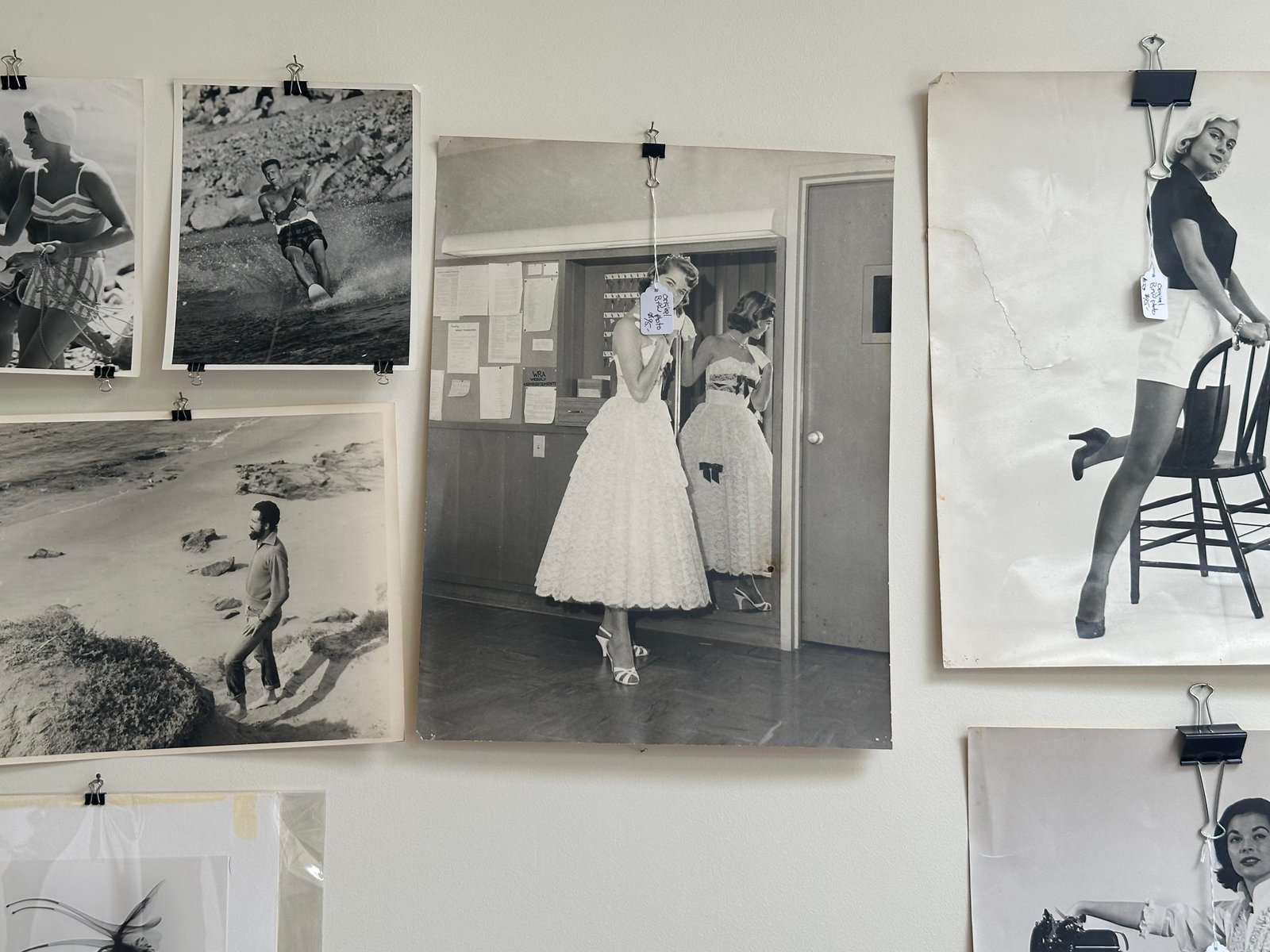
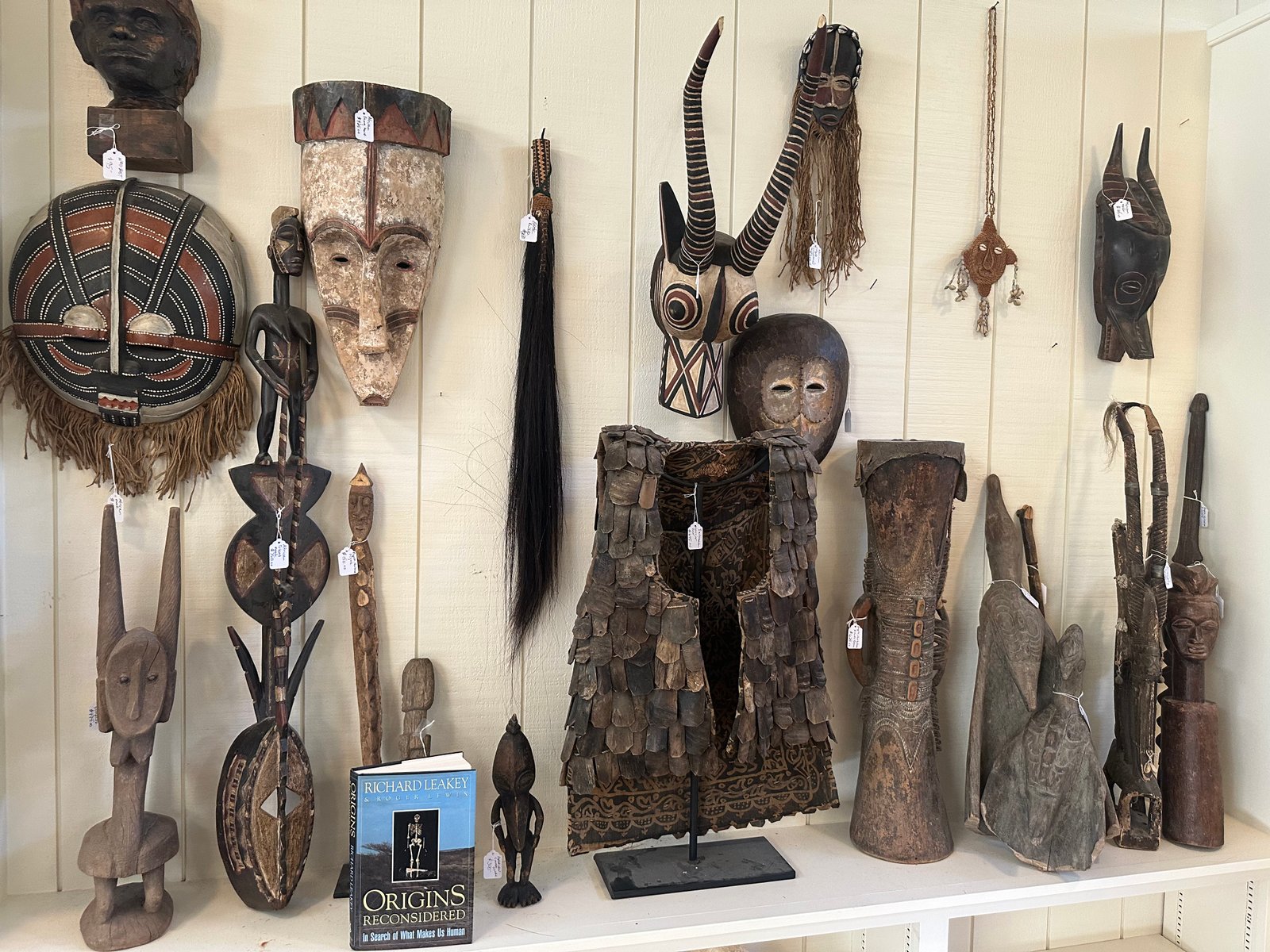
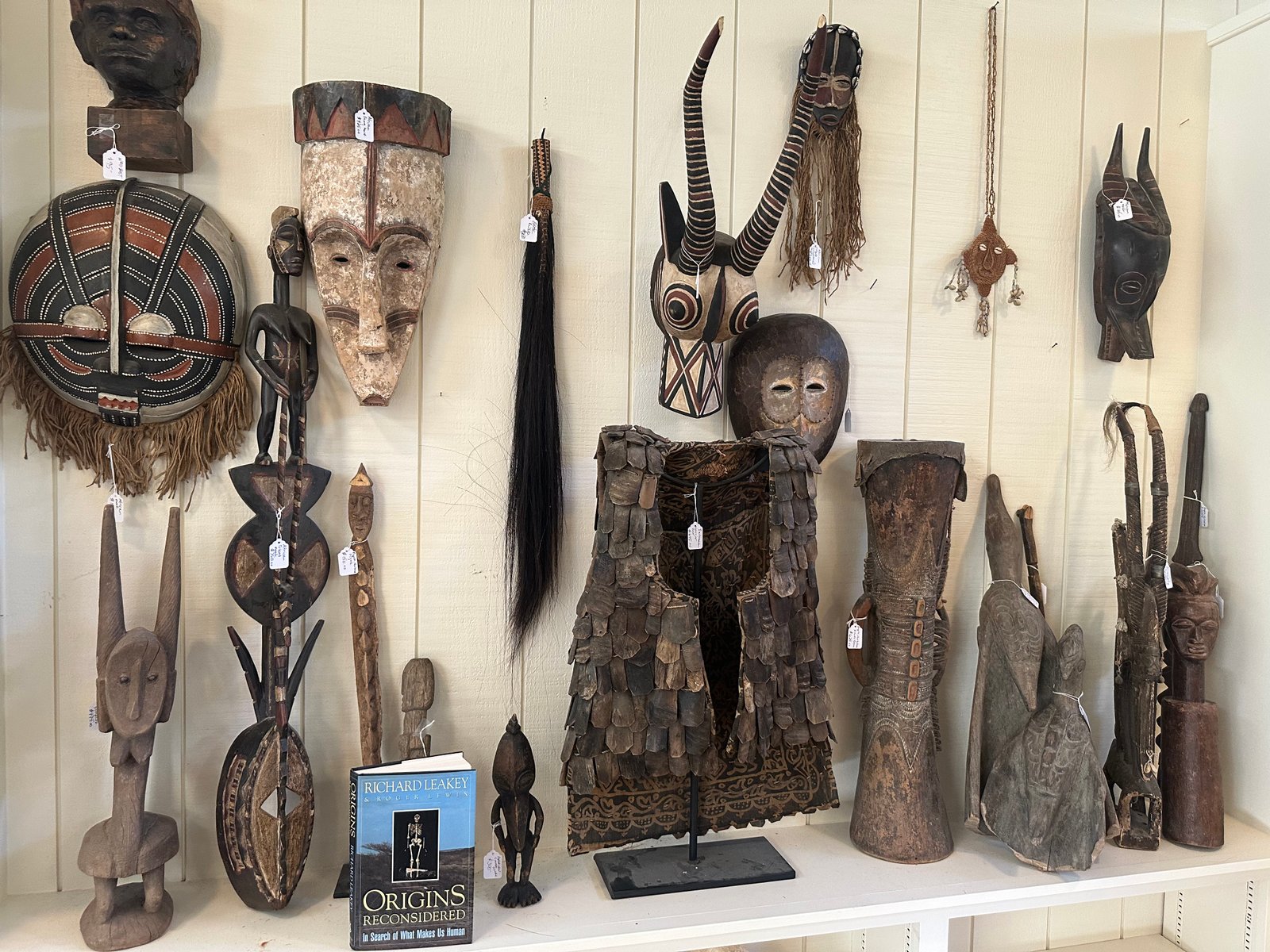
A lifetime of curiosity is perfectly reflected in every room: tribal art, primitive pottery, decorative arts from across the globe, and a well-stocked library covering anthropology, archaeology, indigenous cultures, natural history, and exploration—all coming together to tell the story of a man who never stopped exploring the world.
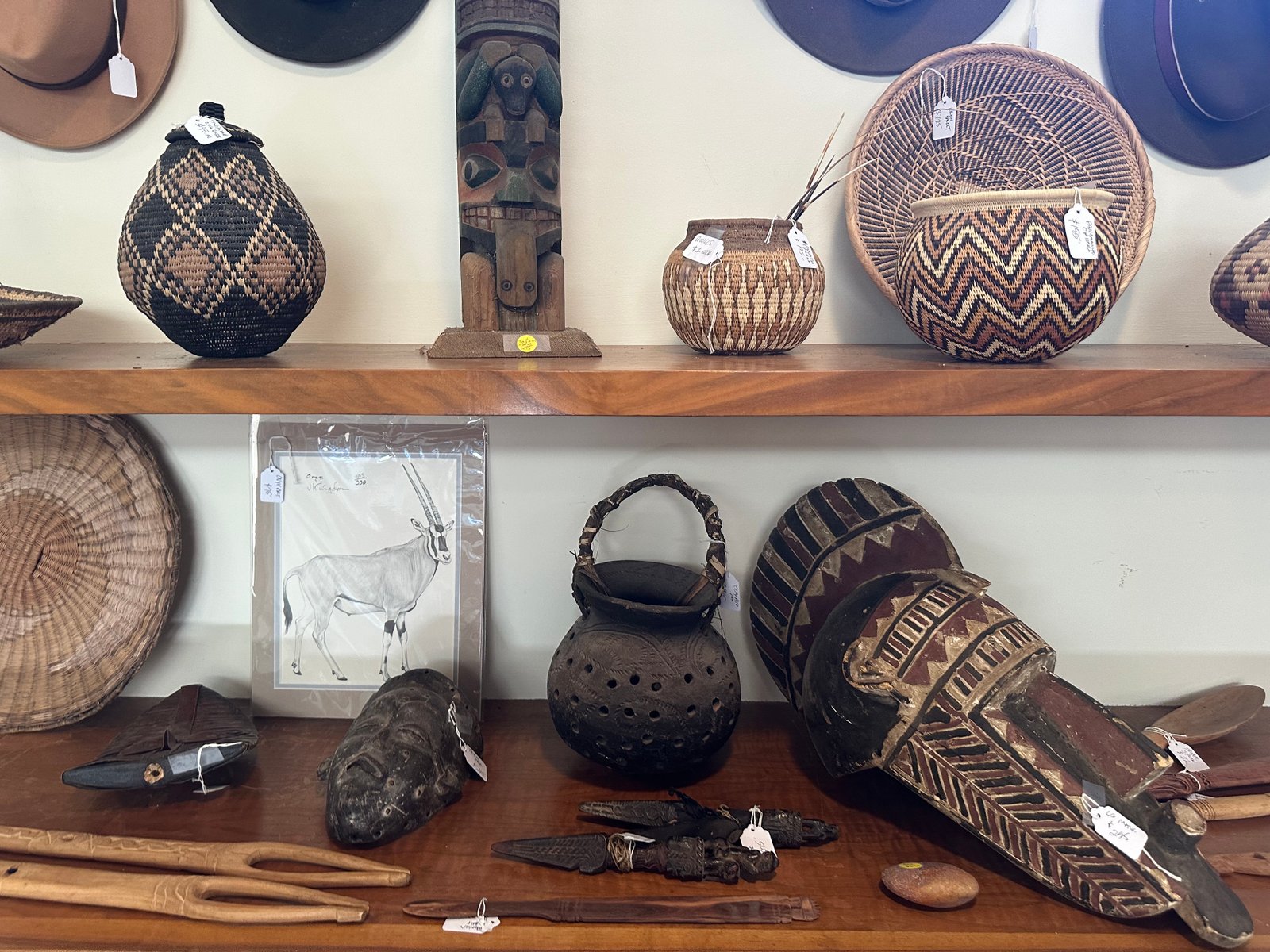
Stepping into this house feels like walking into an Indiana Jones adventure. From these objects, we can piece together his epic life story: fossils weathered by ocean breezes, greenstone bearing Maori blessings, and masks that once carried faith in the African wilderness. Yet, in the end, these were merely the "byproducts" of his existence.
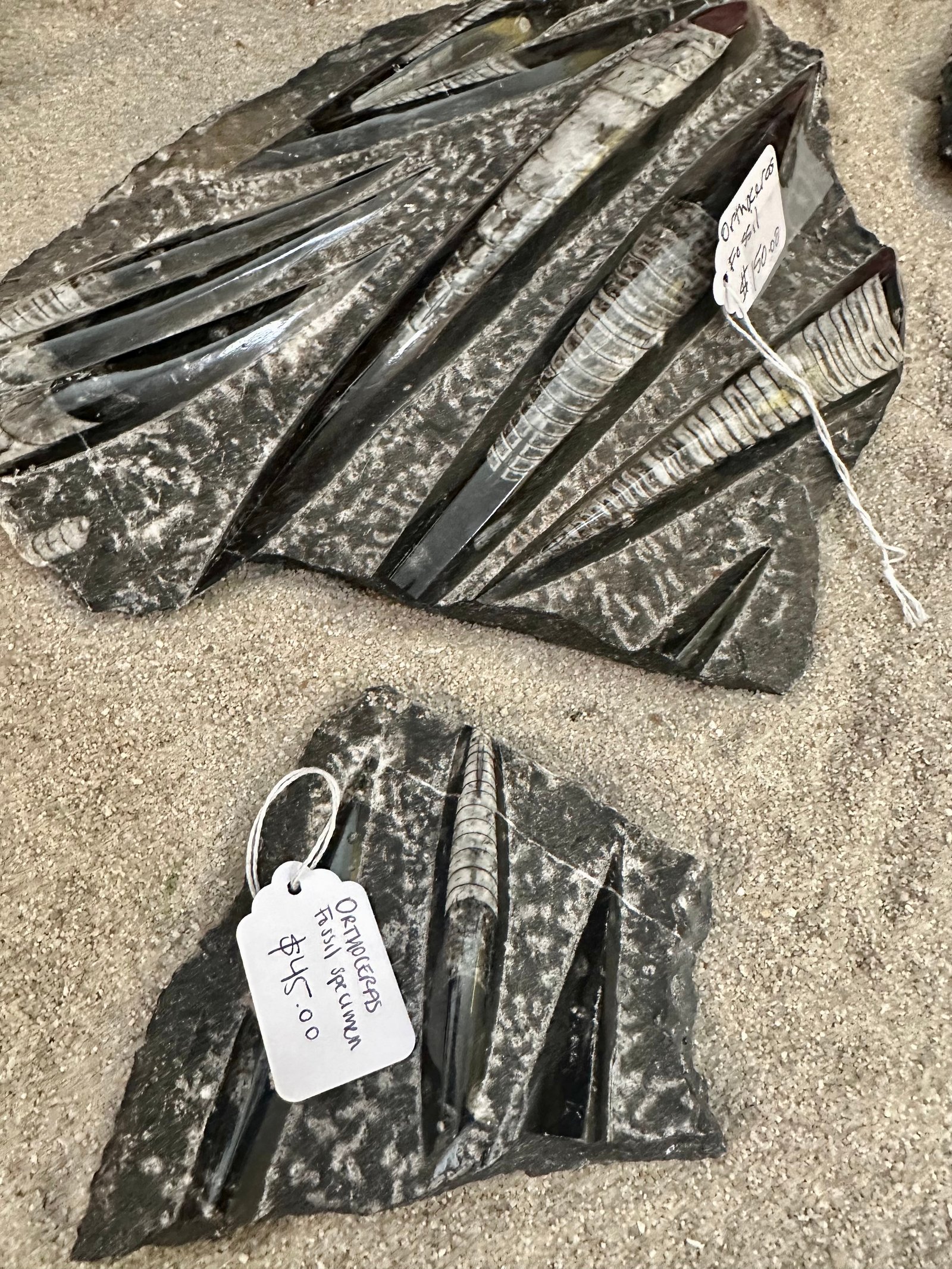
What truly belonged to him was the breath he drew into his lungs in the thin, freezing air atop Mount Kilimanjaro; the sting and warmth of the soil beneath his feet while trekking through India; the fleeting moment of serenity he felt when he closed his eyes before the Dalai Lama. The shivers in the wind, the fear in the face of the unknown, and the sheer ecstasy of standing at the edge of the earth—all of it was taken with him the moment he departed.
Objects can preserve a form, but they cannot hold the warmth of the moment. As buyers and onlookers, gazing at these items with price tags attached, we are merely standing outside the display window of a grand personal epic. We are just catching a glimpse of his wild dreams and the fact that he once truly lived, aided only by the faint light reflecting off the artifacts he left behind.
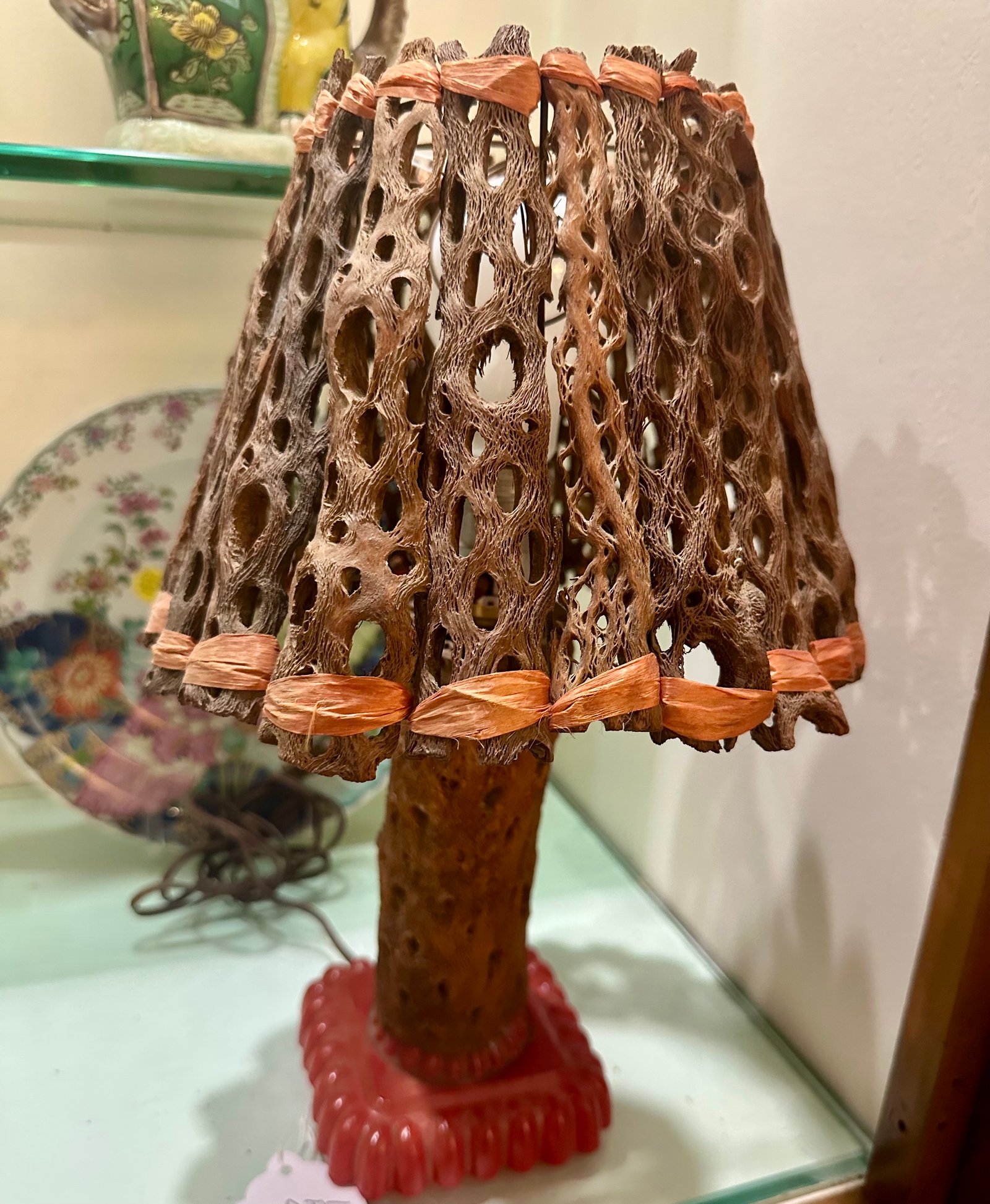
Perhaps this is the most fascinating yet poignant part of an estate sale. It fully displays the boundaries and territories a person expanded over a lifetime, while clearly demonstrating that no matter how many places you visit, or how many physical fragments of the world you collect, the most precious parts of human experience remain intensely private, absolutely solitary, and entirely impossible to be carried or passed on by any material thing. There is a subtle cruelty to this reality, but it also reveals something sacred that even death cannot break.