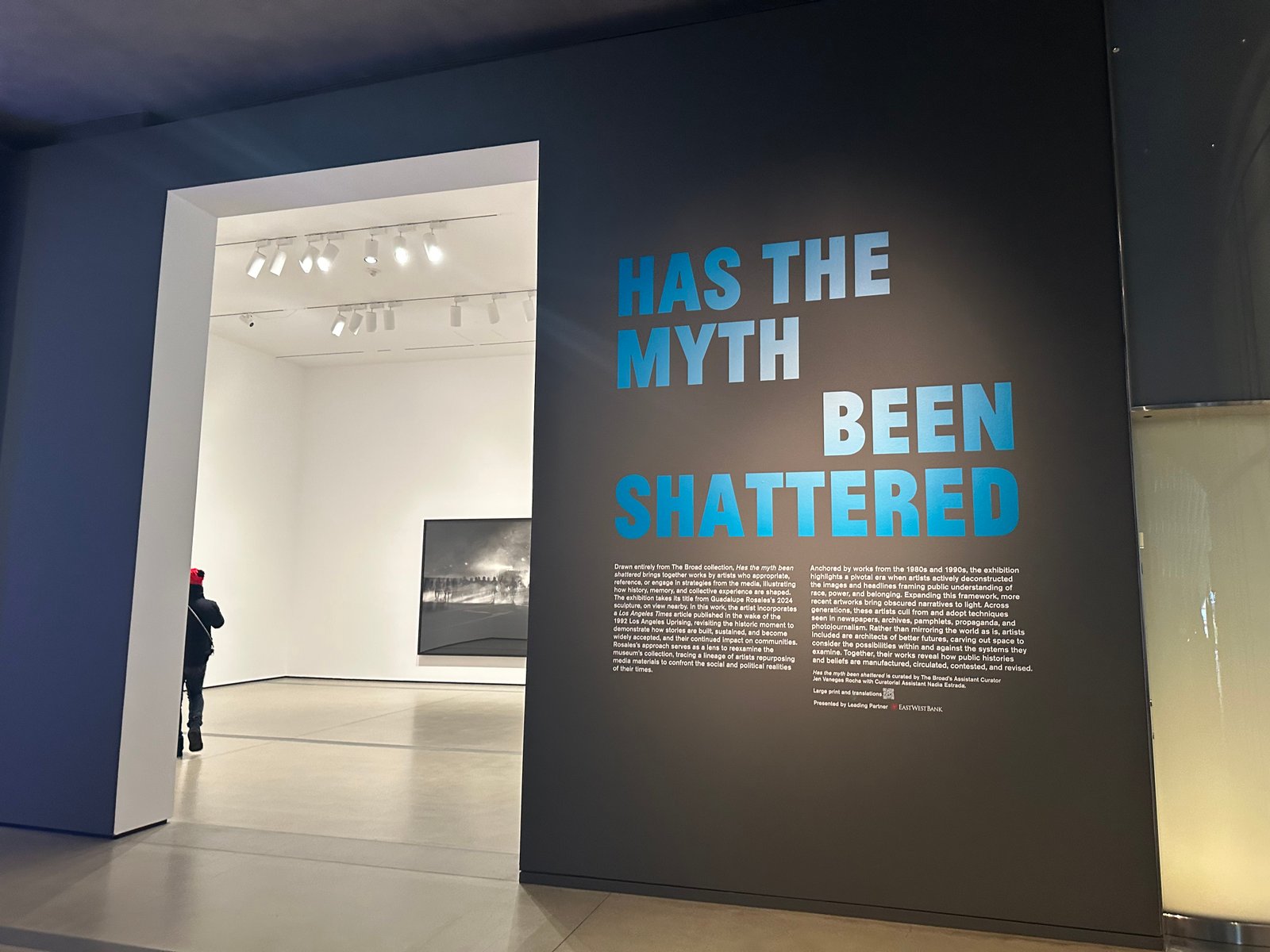
The work opens the exhibition, inviting visitors to reconsider how the media documents history and how news narratives shape public understanding of significant social events.
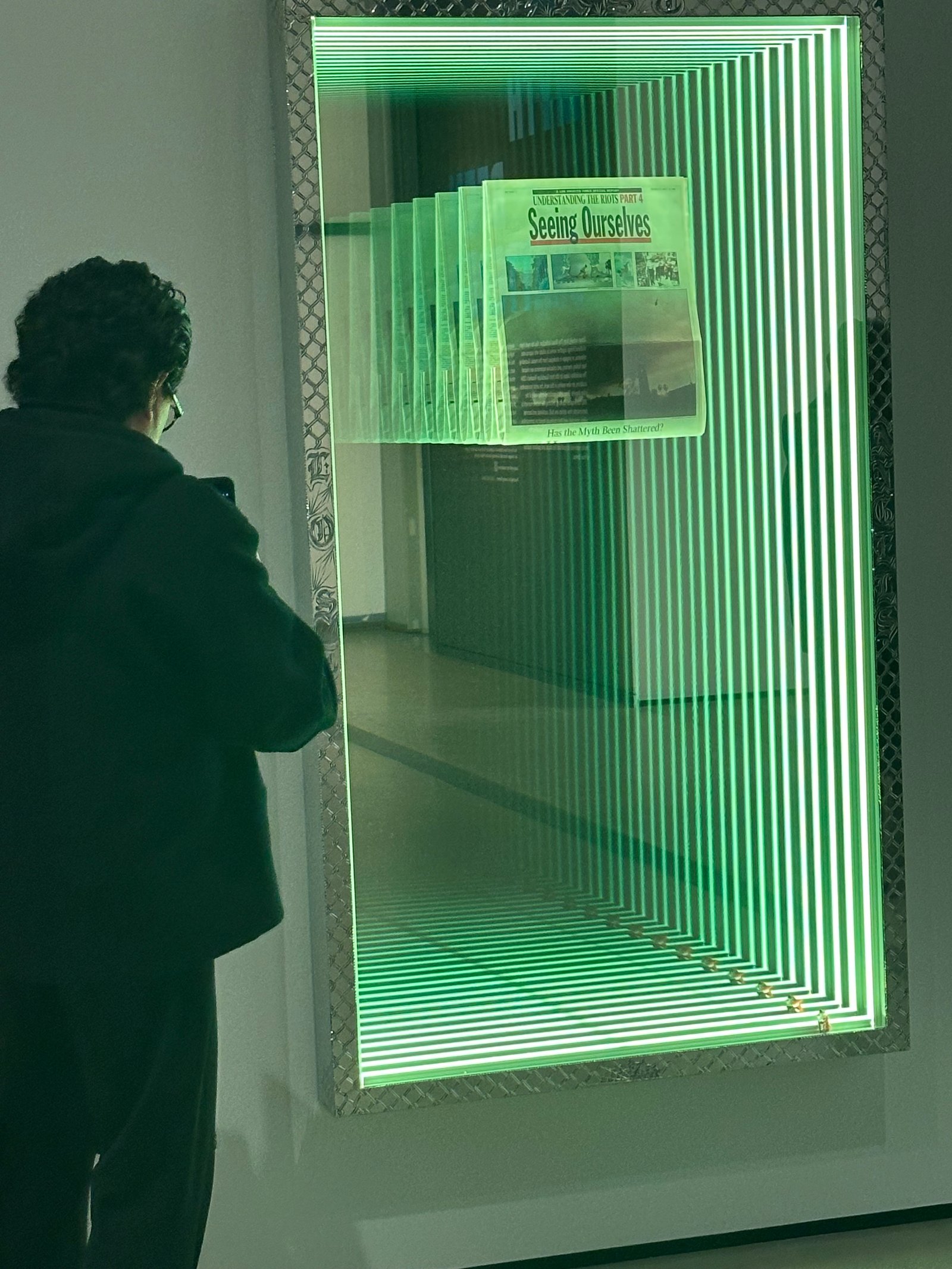
Joanne Heyler, Founding Director and President of The Broad, said the exhibition brings together works by 16 artists spanning six decades, from the 1980s to the present. To examine the narratives that shape society—including the stories that reveal what it values and fears—these artists engage with media sources in powerful and often unsettling ways.
Visitors will encounter newspapers, magazines, and pamphlets throughout the exhibition. Many of the works originate from an era before today's media landscape took shape. While that period may be difficult for some visitors to imagine, it is essential to understanding the exhibition.
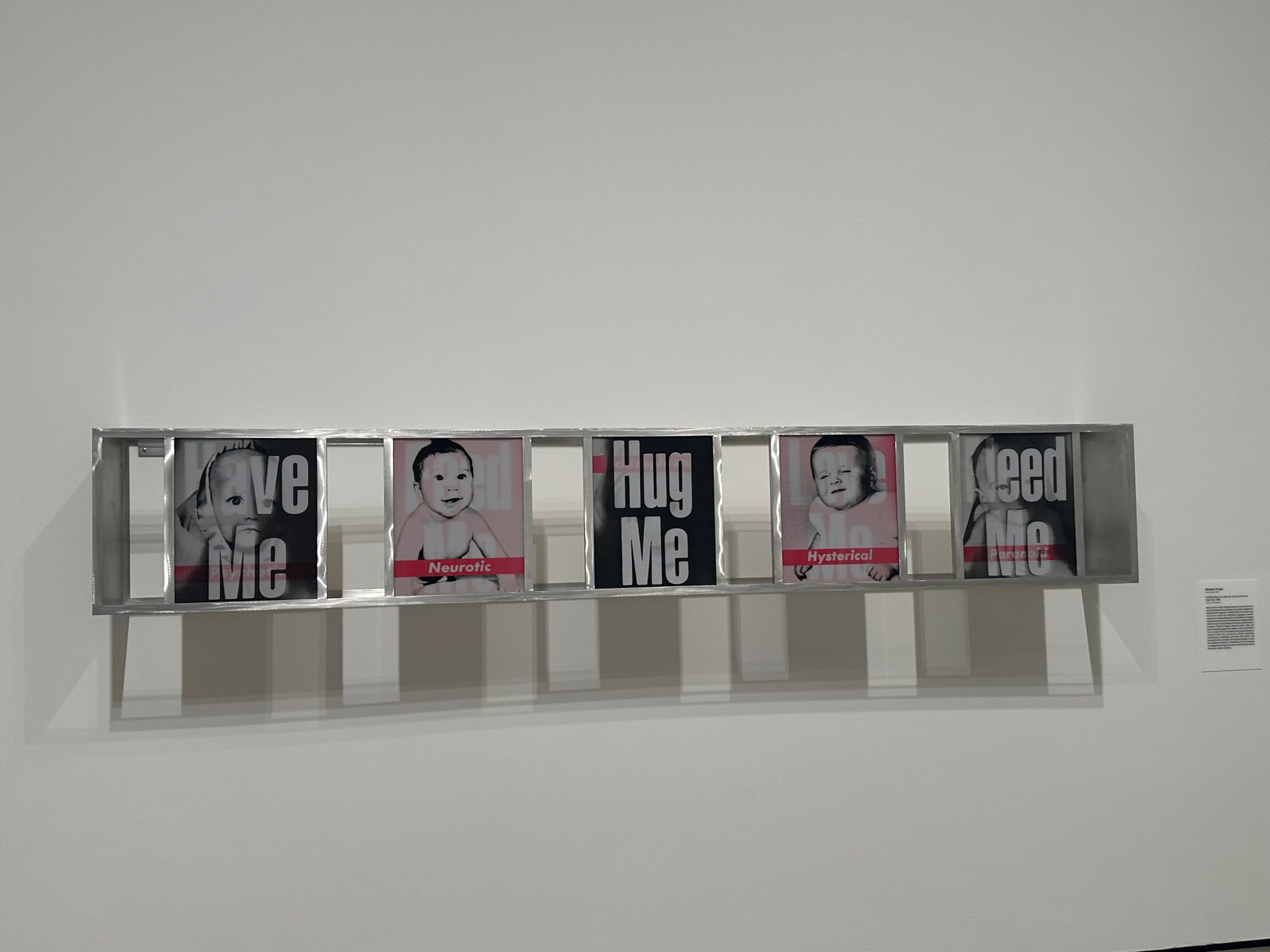
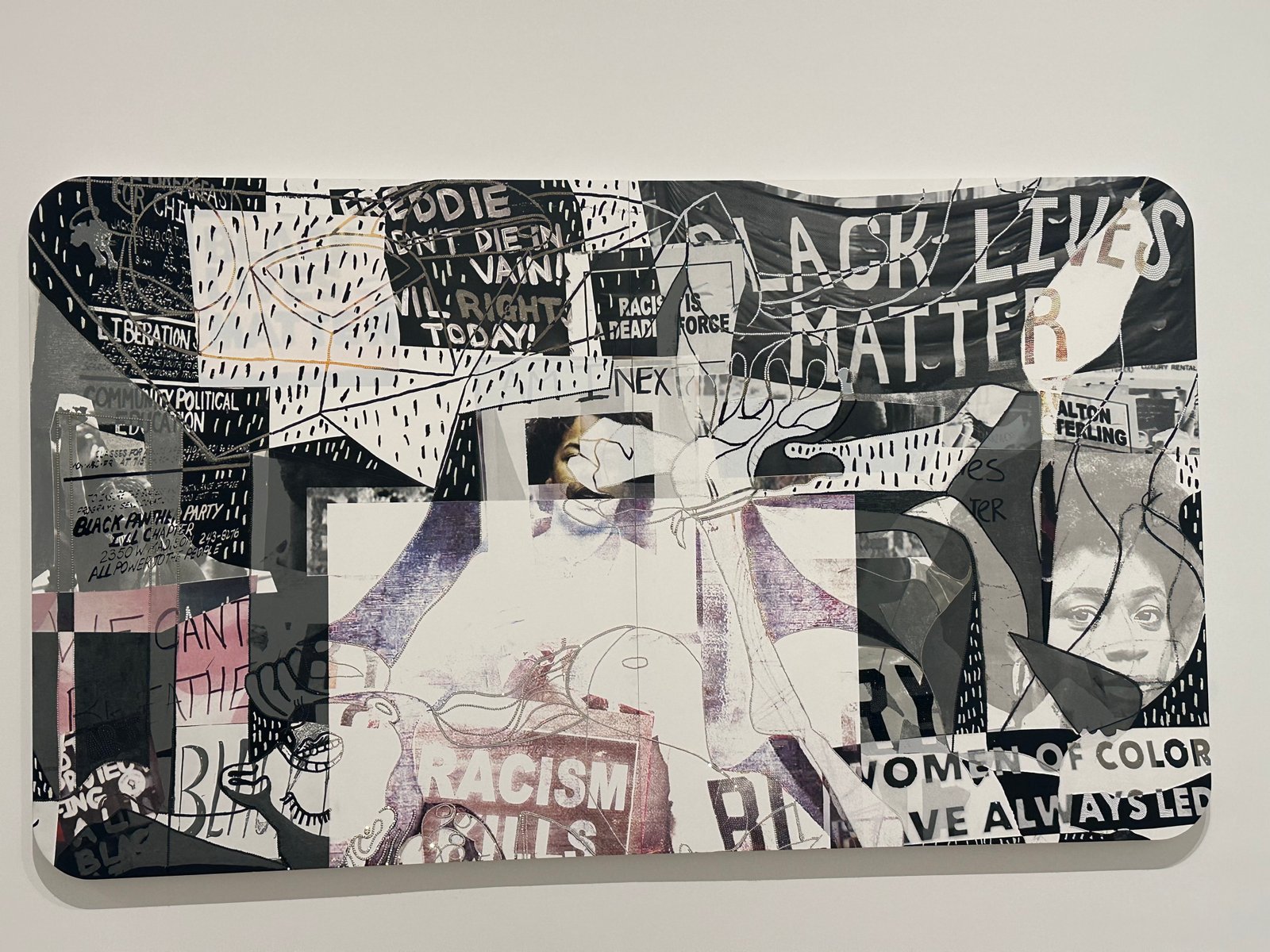
Viewed together, works from earlier decades and the present reveal persistent injustices in American life and examine how the media can function as a space where selective versions of the truth are presented.
The Broad's founders, Eli and Edy Broad, built their collection on the belief that artists often recognize the realities of their time earlier and more perceptively than the rest of society. This conviction is particularly evident throughout the exhibition.
Visitors will encounter artists confronting raw and often traumatic imagery. Among the featured works is Hank Willis Thomas's 2018 piece, Black Survival Guide, or How to Live Through a Police Riot. One of its distinctive features is that its images become visible only when illuminated by a camera flash.
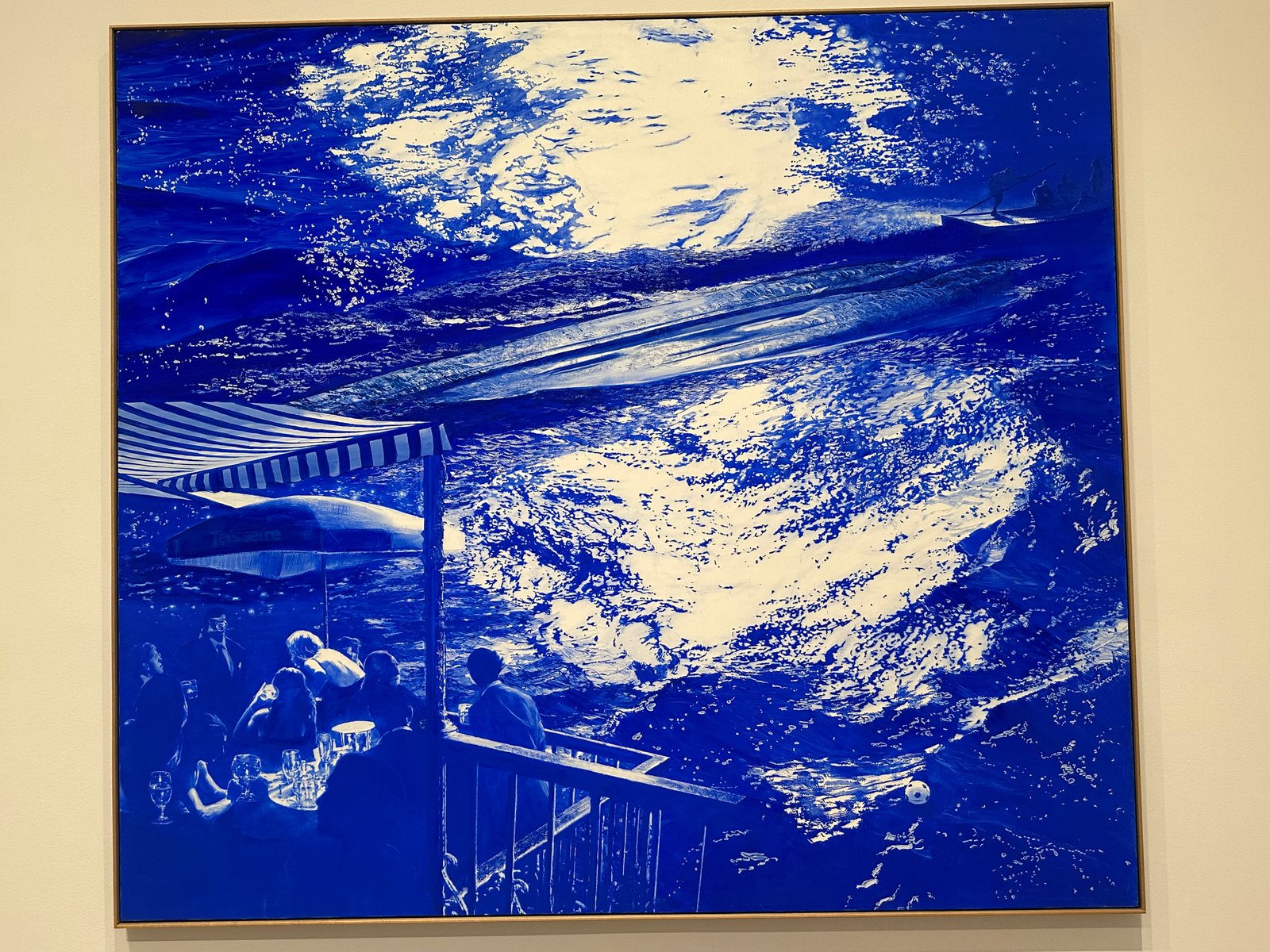
The exhibition features 16 artists, including Richard Artschwager, Sue Coe, Leon Golub, Barbara Kruger, Guadalupe Rosales, Hank Willis Thomas, and Mickalene Thomas. Through diverse artistic approaches across generations, these artists revisit media imagery and historical records, revealing that news narratives do more than document events: they also involve choices, interpretations, and perspectives.
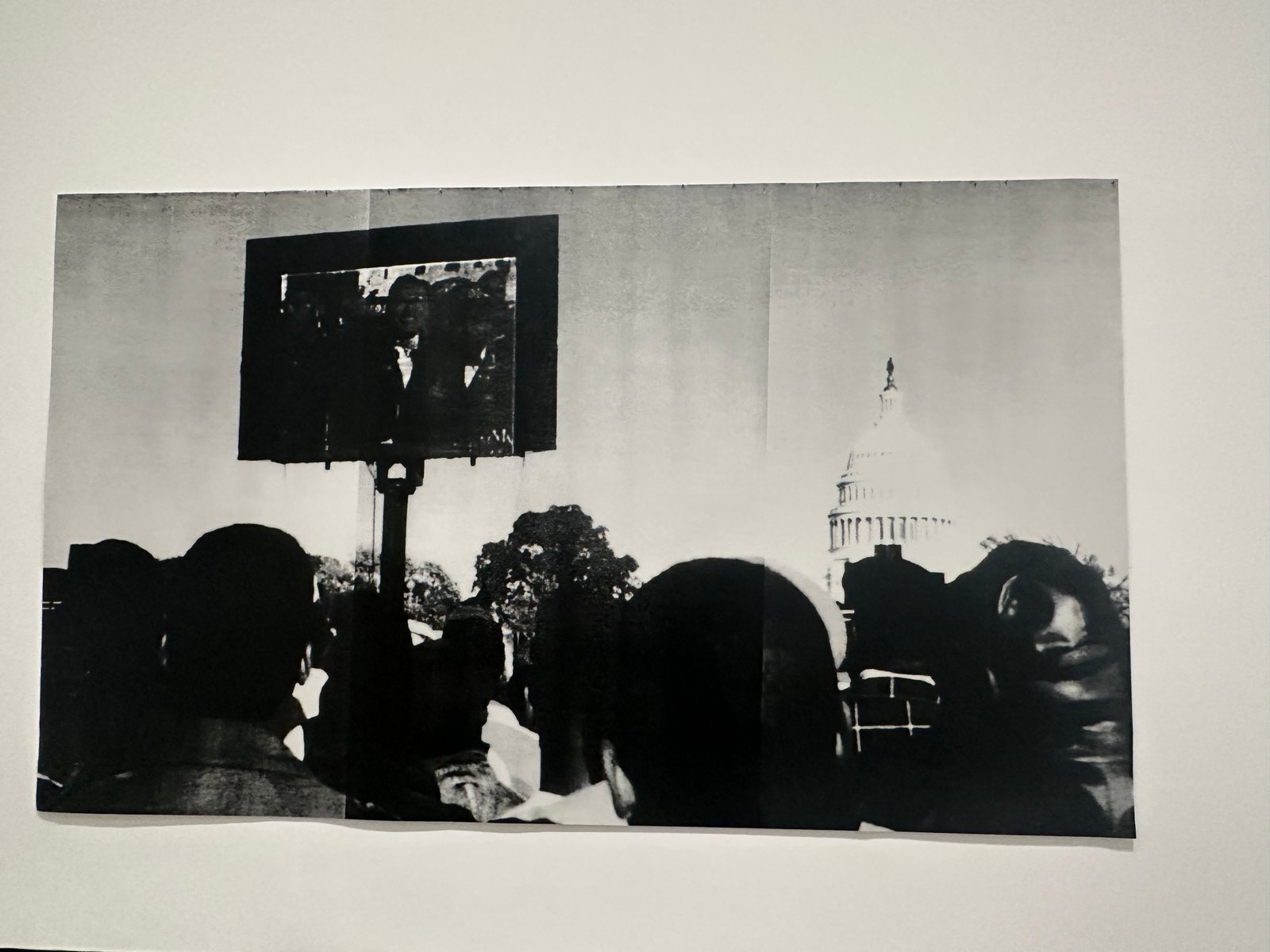
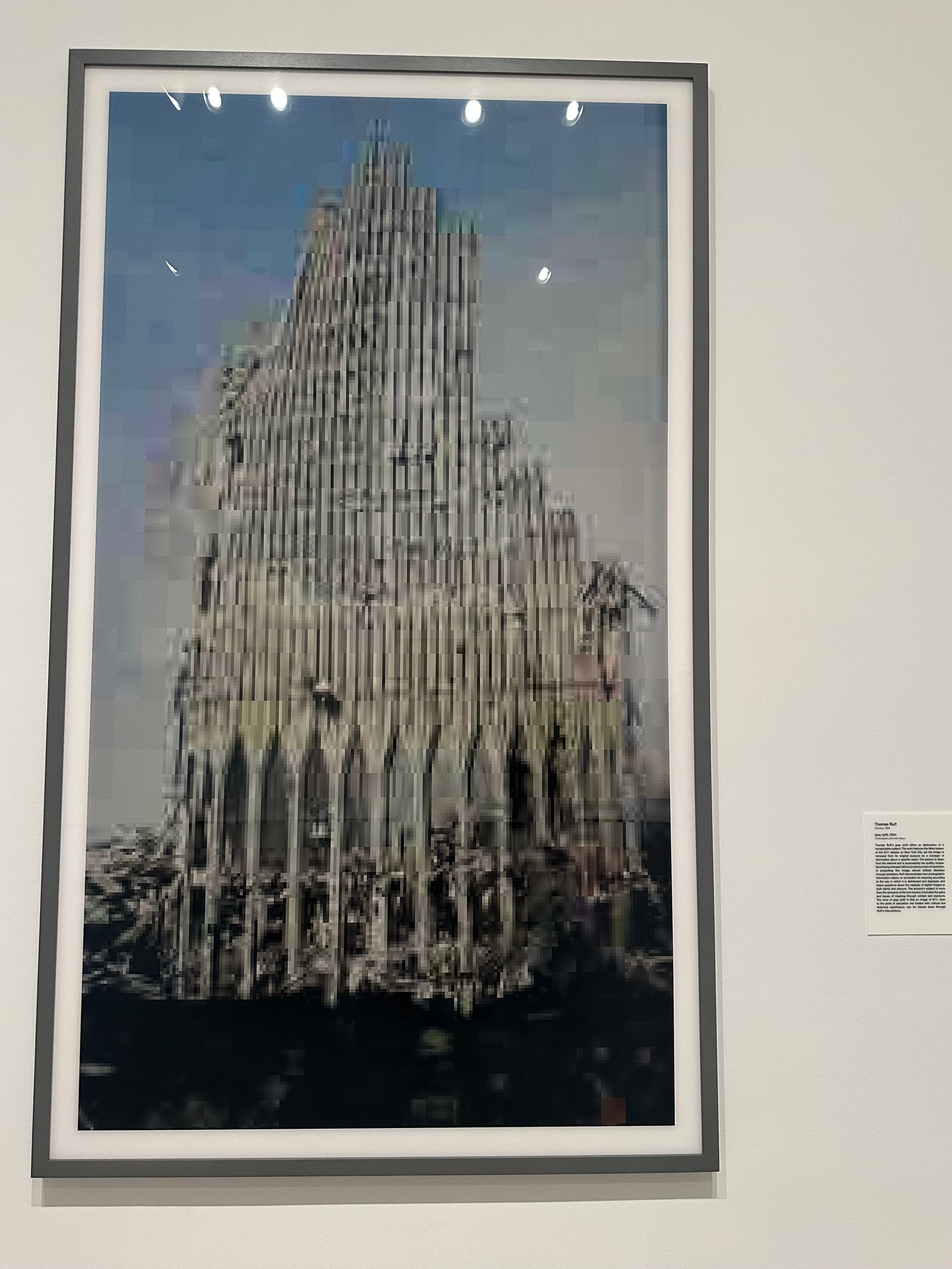
Curator Jen Vanegas Rocha explained that narratives are built and sustained through news, stories, and the information that gets printed, circulated, and observed. Equally important, she noted, are the stories that are excluded and left untold.
Anchored in the 1980s and 1990s, the exhibition traces a lineage of artists who have incorporated mass media materials and strategies into their practices. Through their work, visitors can see how public histories and collective beliefs are constructed and disseminated.
More than a dozen works in the exhibition are being presented at The Broad for the first time.