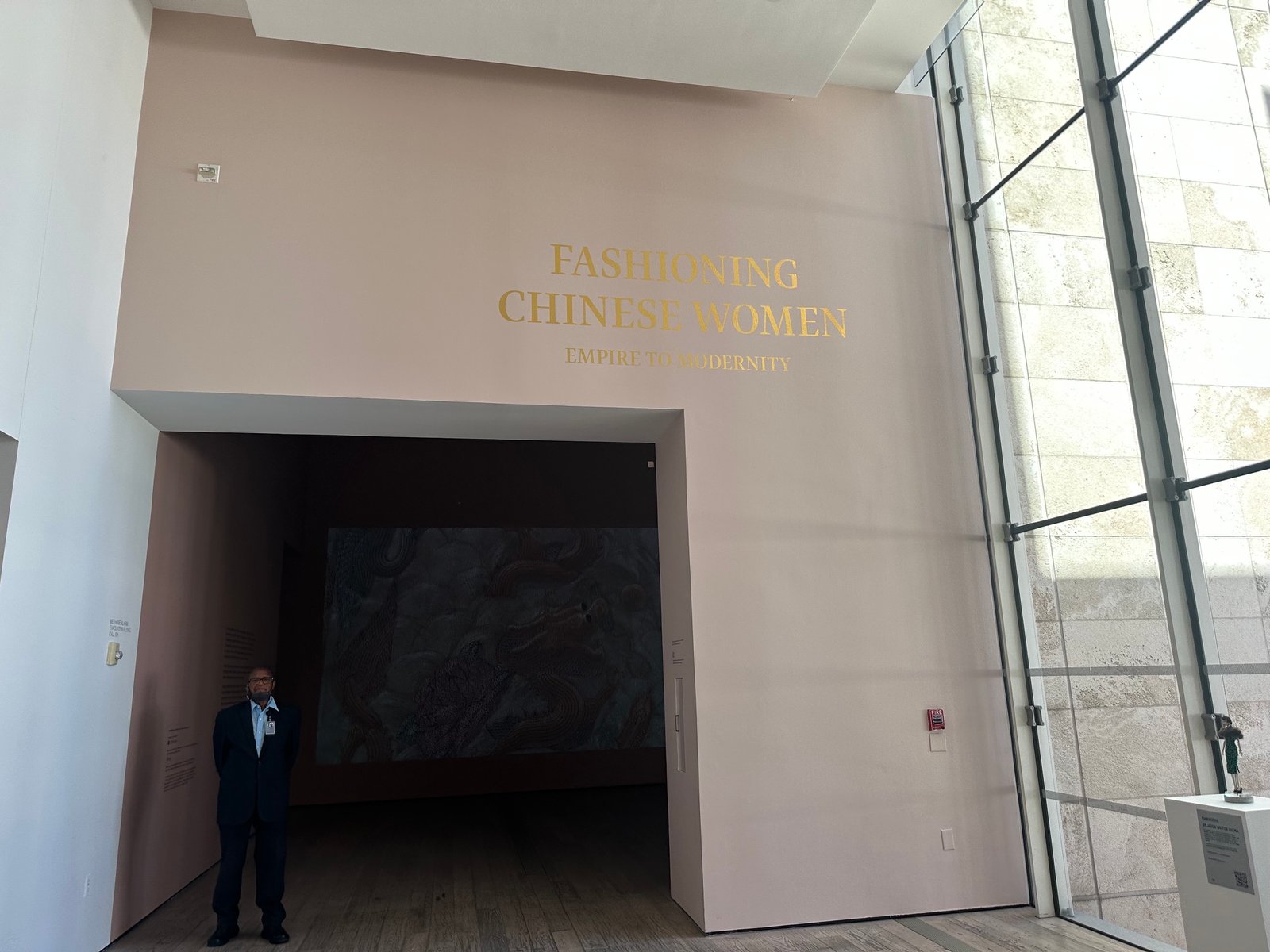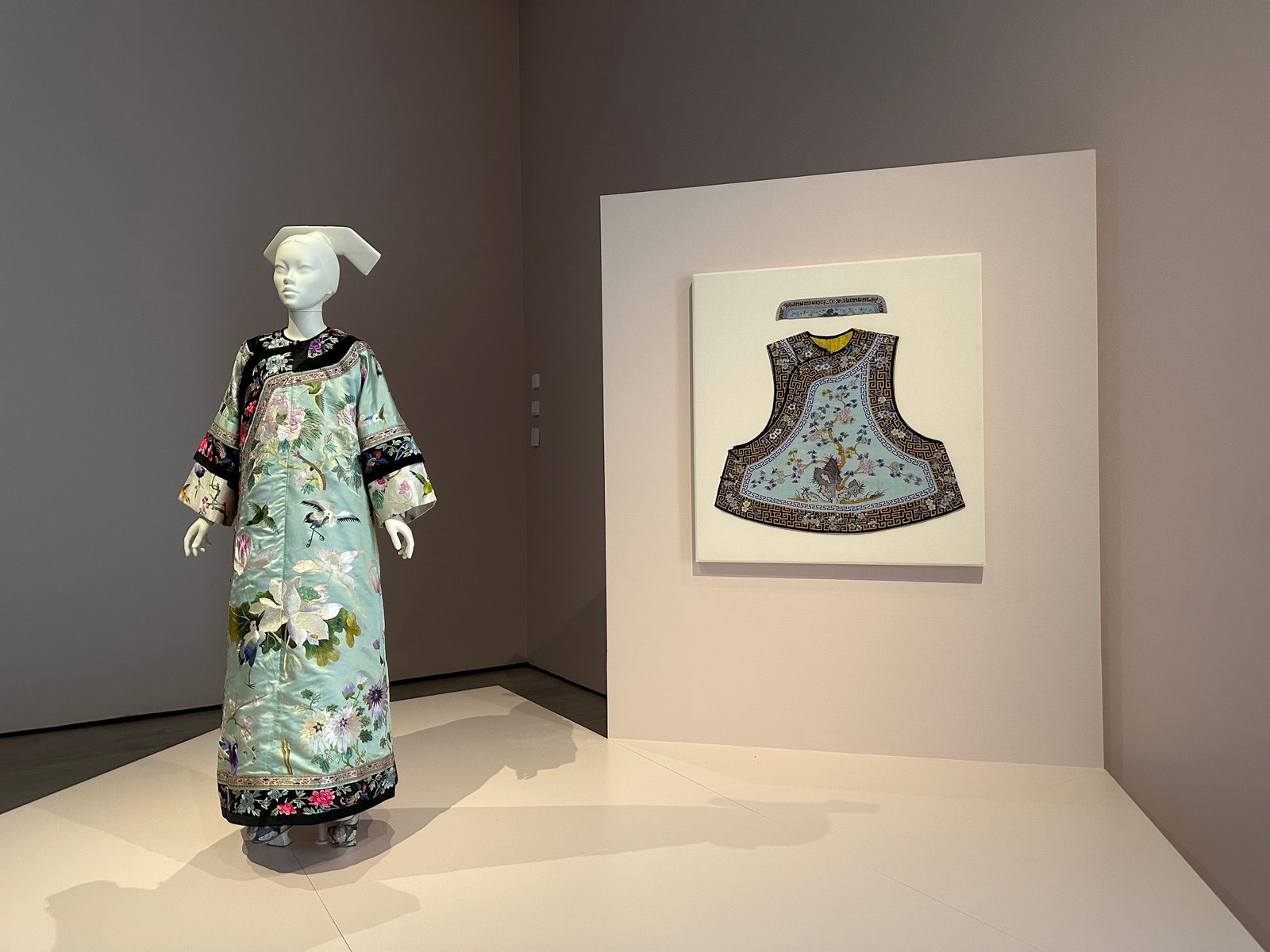
Presented with the support of East West Bank, the Los Angeles County Museum of Art (LACMA) is hosting the major exhibition Fashioning Chinese Women: Empire to Modernity, which uses a century-spanning collection of family heirloom qipaos to explore how Chinese women have shaped their identities and expressed their individuality through fashion.
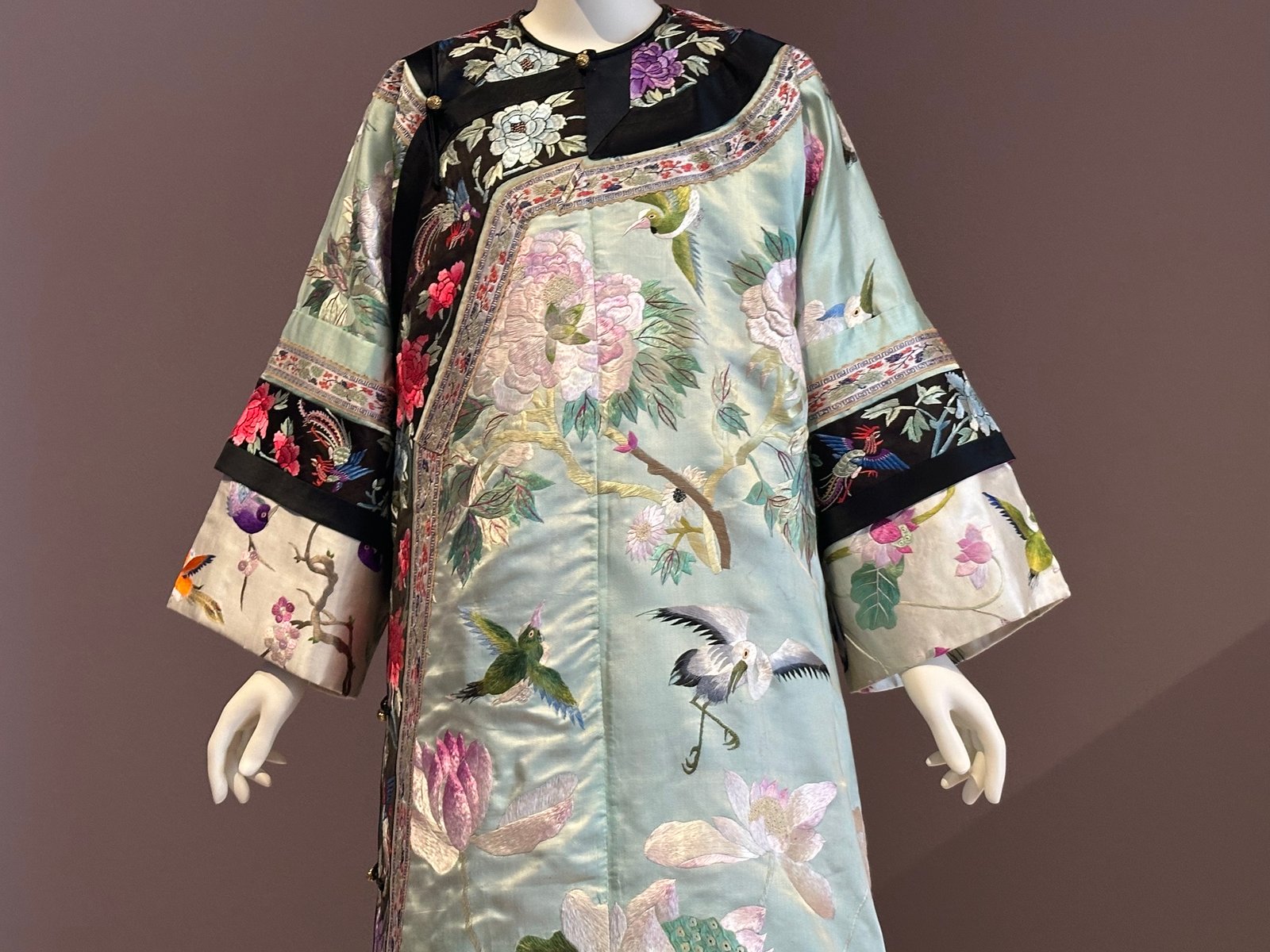
Chinese American fashion designer Jason Wu designed the faces and styling of the exhibition mannequins, all of which were custom-made using 3D printing technology specifically for the exhibition. Wu explained that during the later period when the qipao became widely popular, women’s social status and self-confidence were on the rise. They became more actively involved in public life and even entered the business world. As a result, clothing evolved from relatively loose and conservative silhouettes to designs that highlighted the female form and elegance. This transformation reflected women’s growing exploration of identity and self-expression.
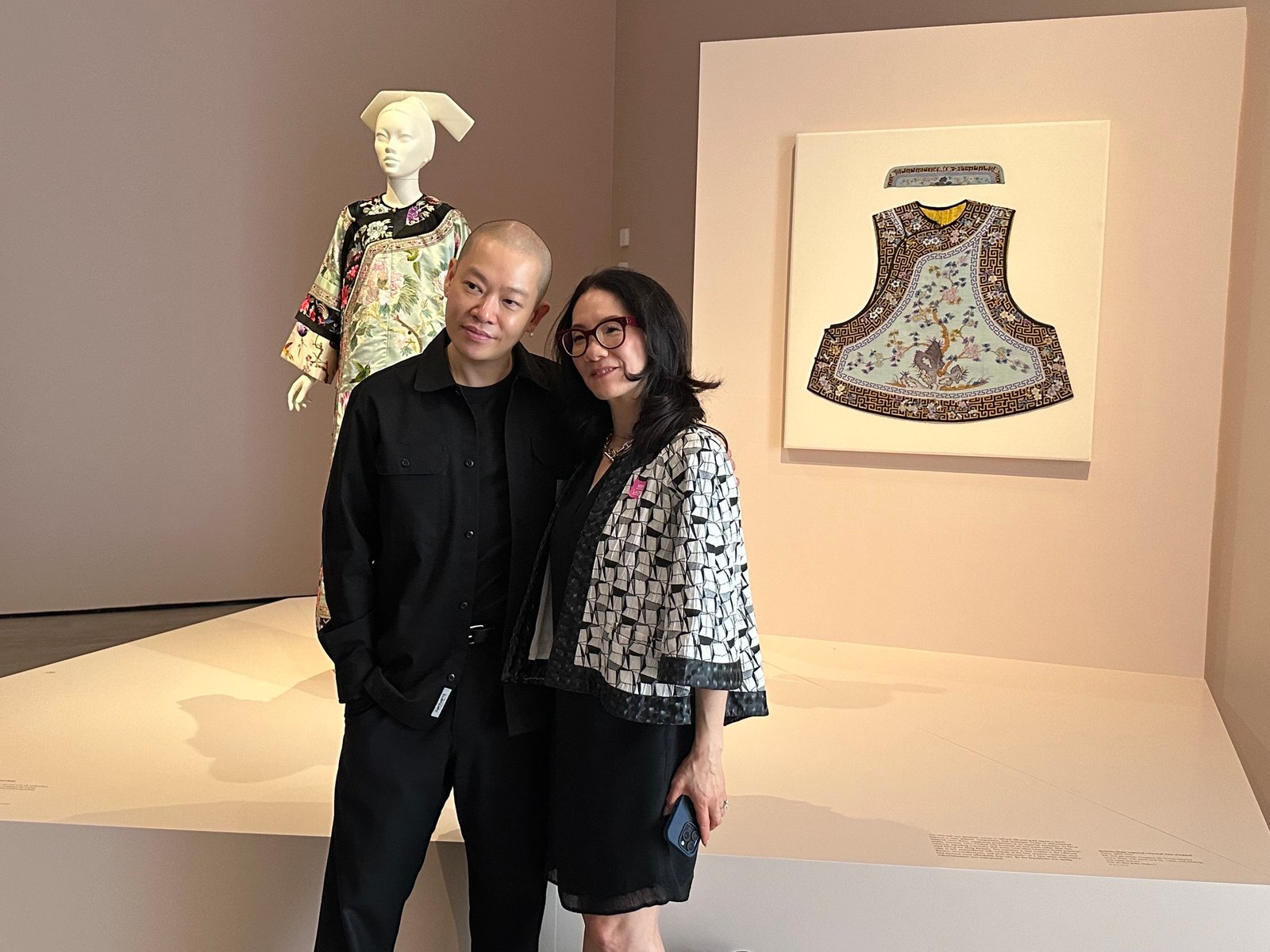
According to Wu, that is the central message of the exhibition. He hopes that Asian Americans and all visitors will be able to see reflections of themselves in the mannequins and the stories they represent. Having grown up in an environment heavily influenced by Western culture, he said it felt particularly meaningful to encounter images and narratives that resonated with his own cultural heritage.
Wu also emphasized that both the garments and the exhibition mannequins challenge common perceptions of “Made in China.” Chinese manufacturing, he noted, should not be viewed solely through the lens of mass production. China is also home to world-class couture craftsmanship and advanced technological capabilities. In fact, he said the exhibition has inspired him to consider developing an entire fashion collection based on these ideas.
Looking ahead, Wu believes one of the most exciting directions in fashion design lies in the fusion of traditional craftsmanship and emerging technologies. Elements from the qipao and other traditional garments can be reinterpreted into new design concepts and contemporary forms of expression. The goal is not merely to preserve tradition, but to explore how it can continue to evolve and find new life in the modern world.
The exhibition brings together pieces from LACMA’s collection and the treasured family garments preserved over 45 years by Chinese American collector Cherie Lai Mah. Together, they provide a comprehensive look at the evolution of Chinese women’s fashion from the late Qing Dynasty through the twentieth century, tracing changes across generations and national borders.
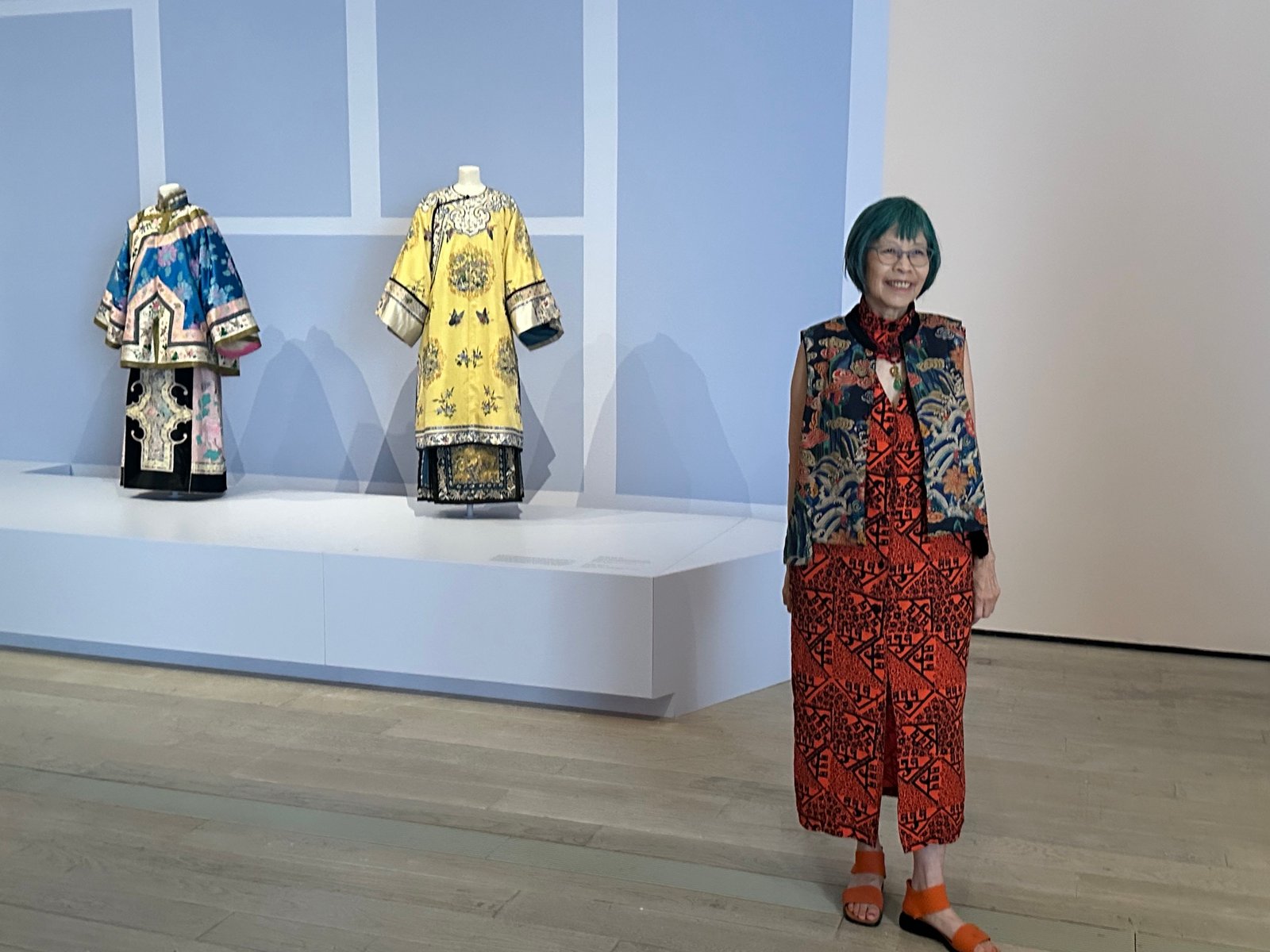
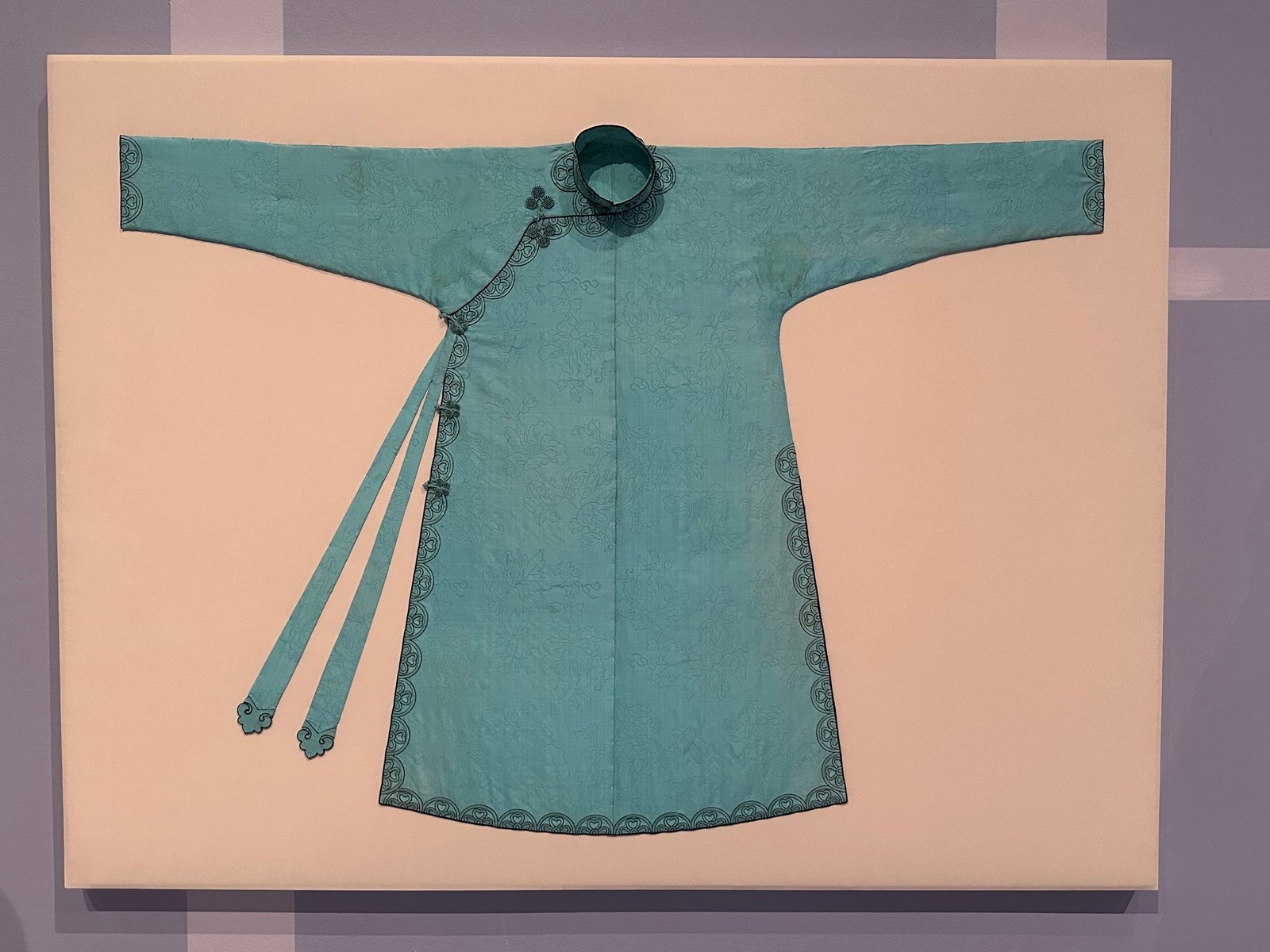
Cherie Lai Mah explained that many of the garments belonged to her grandmother, mother, and mother-in-law. She knows exactly who wore each piece and the stories behind them. These garments were custom-made for the women who owned them, reflecting their refined taste and documenting their journeys from young women to accomplished business leaders.
One of the most fascinating aspects of the collection, she said, is the way it reveals the ongoing exchange between Eastern and Western influences. From hairstyles and footwear to garment silhouettes, visitors can see how different cultures shaped and inspired one another over time.
Regarding the growing popularity of New Chinese Style fashion and Hanfu, Lai Mah said the trend encourages people to reconsider their cultural identity while learning more about China’s ancient history. To some extent, it also reflects a broader desire to reexamine cultural norms previously shaped by Western influences and reconnect with one’s own cultural roots.
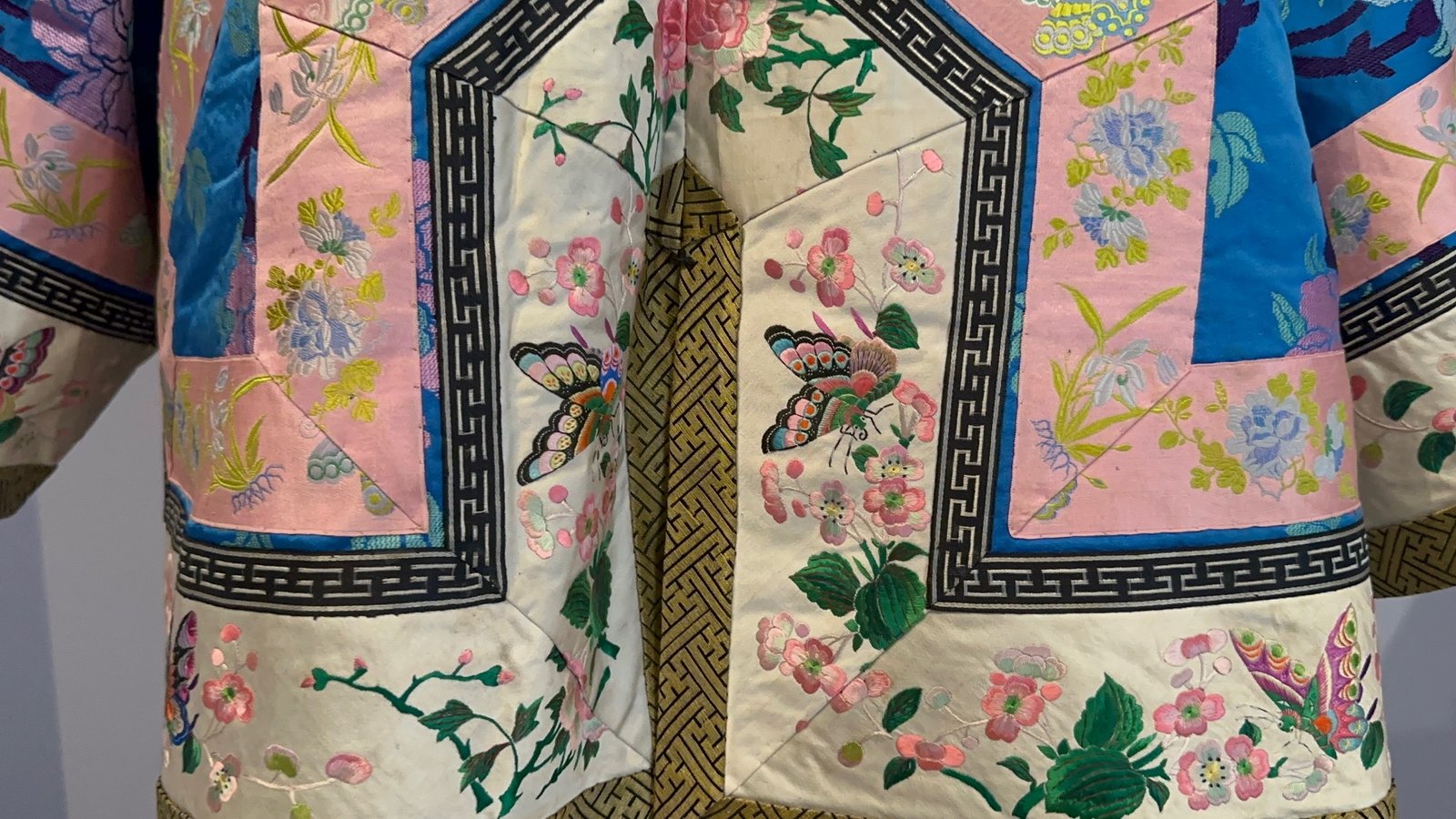
She noted that today’s Hanfu consumers have increasingly high expectations for quality. Rather than settling for inexpensive or superficial reproductions, many seek historically informed garments crafted with exceptional skill and authenticity. This trend has created new opportunities for tailors and traditional artisans to showcase their expertise.
Angie Tang, Senior Vice President and Director of Corporate Communications at East West Bank, said the bank has long been committed to supporting arts and cultural initiatives. With every exhibition partnership, East West Bank seeks to bring together professionals from different disciplines. Through cross-sector collaboration, creators can combine their ideas, expertise, and artistic languages, resulting in richer and more dynamic cultural experiences.
Fashioning Chinese Women: Empire to Modernity is on view now through October 12 at LACMA, and the public is invited to experience this remarkable exhibition.