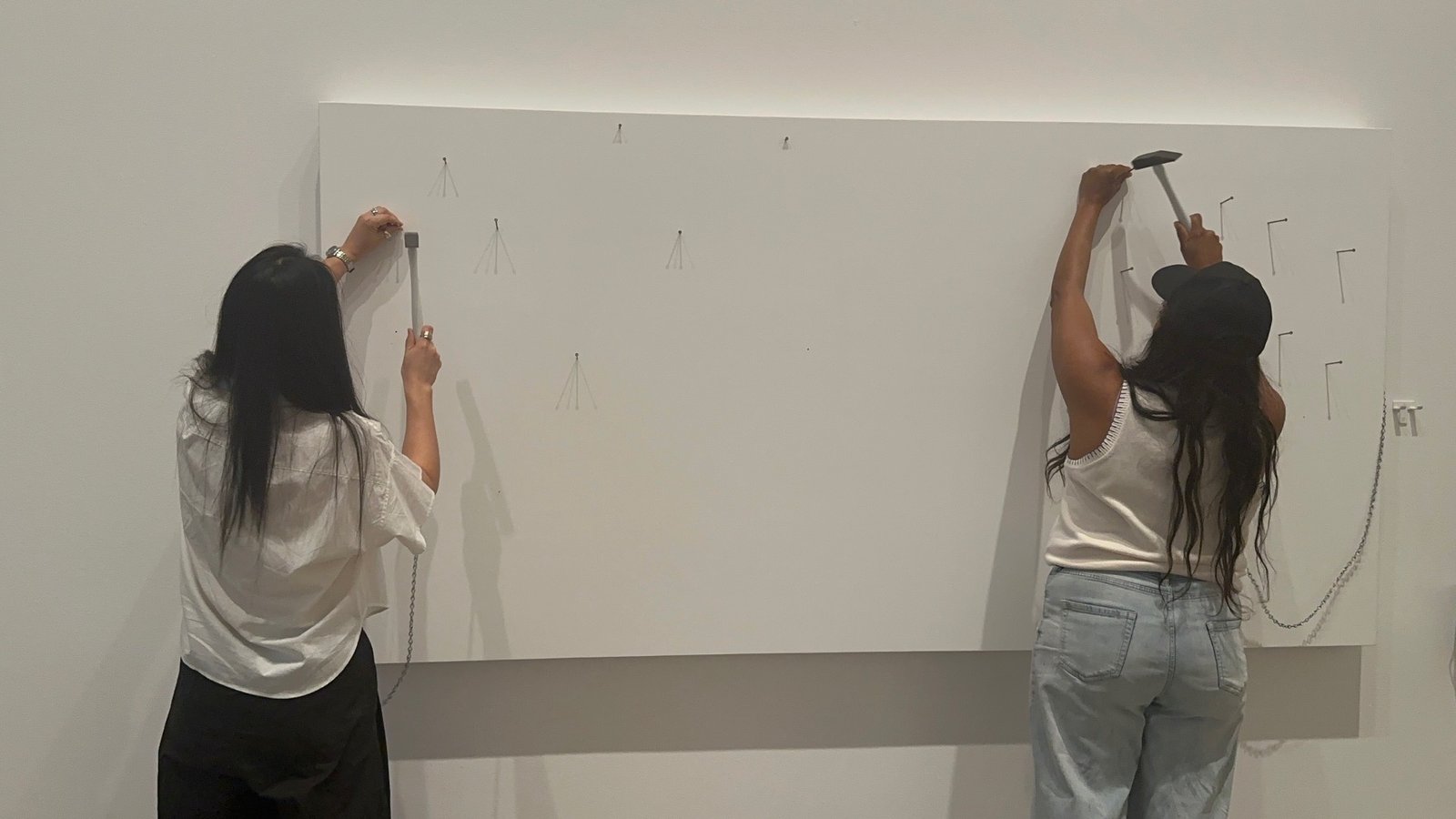
What kind of exhibition allows visitors to intervene, destroy, and even graffiti the artworks themselves?
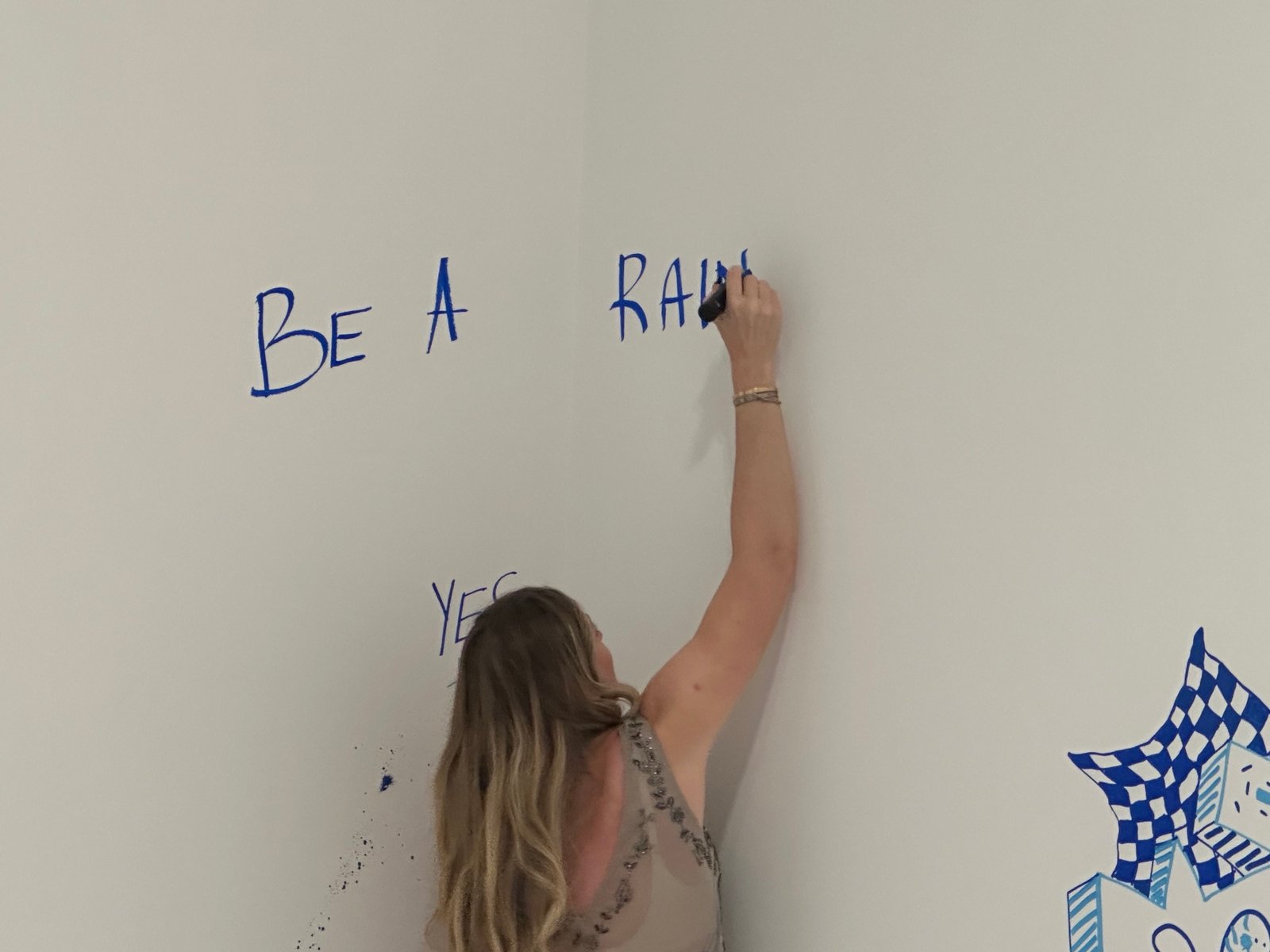
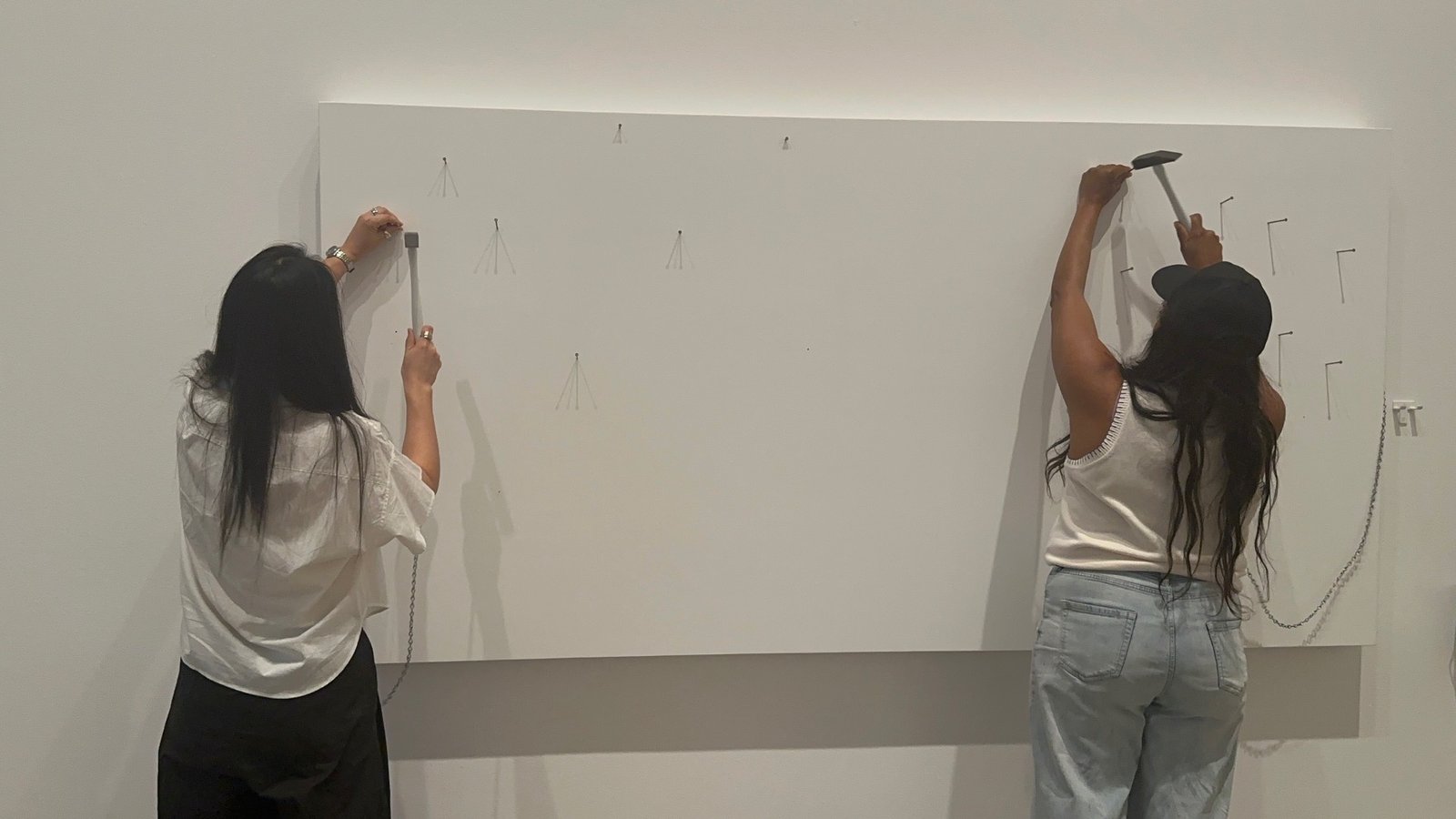
In most museums, “Do not touch the artwork” is an unspoken rule. But at The Broad’s latest exhibition, Yoko Ono: Music of the Mind, visitors are not only allowed but encouraged to actively participate—hammering nails into works, freely writing on white boat surfaces and walls, and directly inscribing their wishes, memories, and emotions into the art itself.
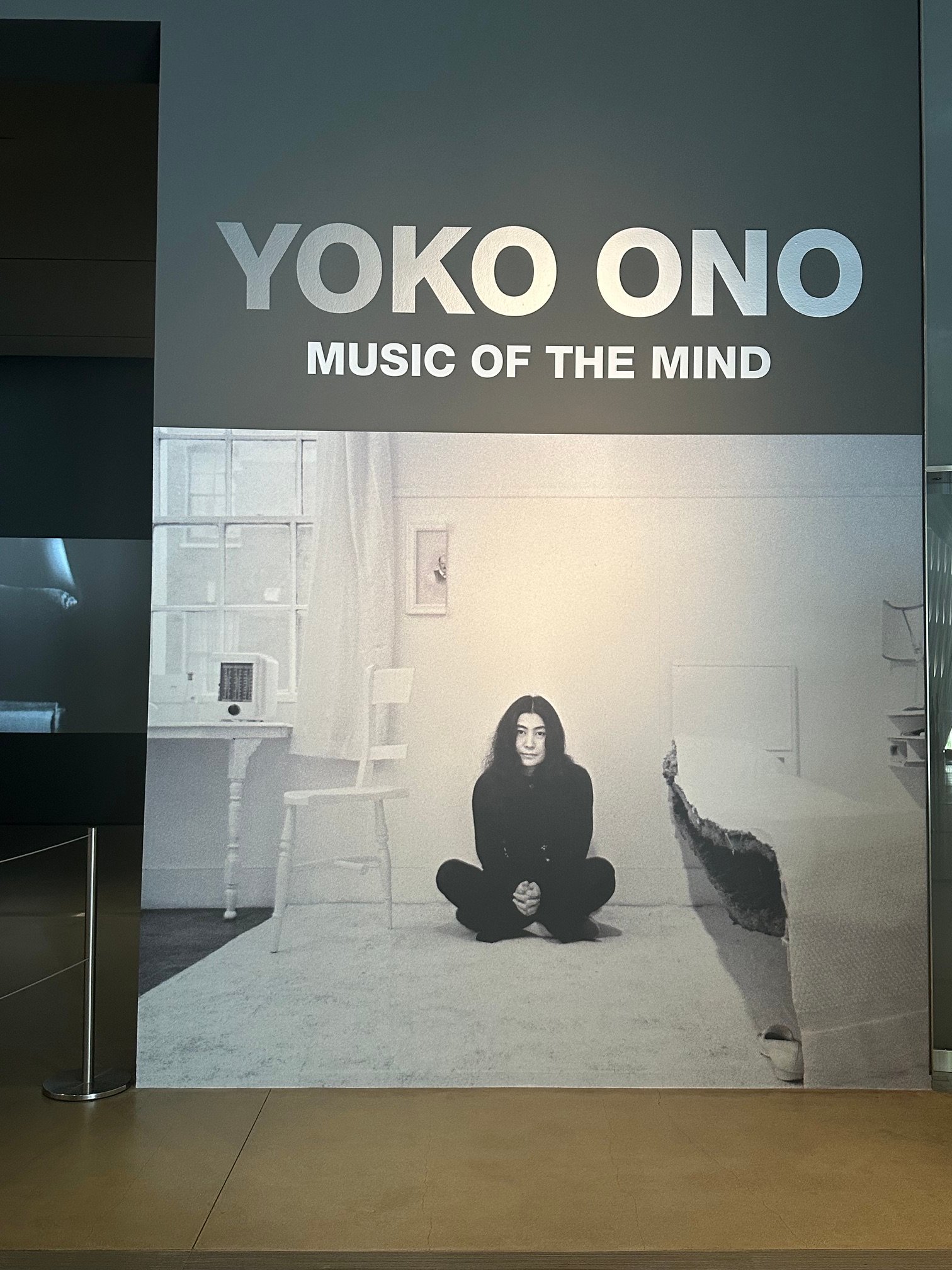
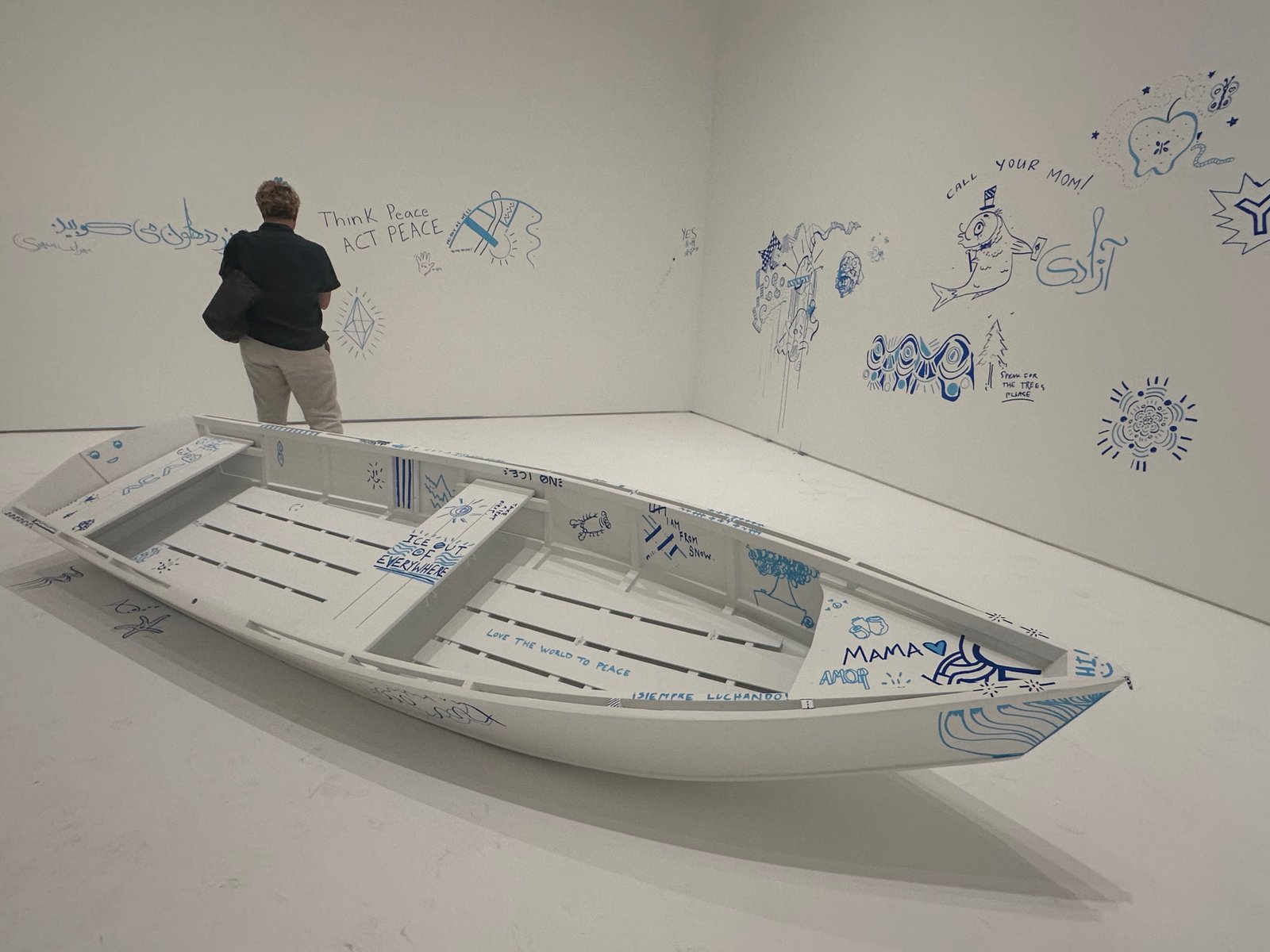
On view now through October 11, the exhibition presents key works and ideas from Yoko Ono’s practice since the 1960s, including installations, video works, CDs, instruction pieces, and sound art. It is also one of her major solo exhibitions in Southern California. From the moment visitors enter The Broad museum, they are immersed in Ono’s artistic universe through her iconic work Wish Tree, where guests write down personal wishes and hang them on branches—many expressing hopes for love and world peace.
Ono is known for transforming abstract ideas into embodied, physical experiences. The exhibition features multiple interactive components, including her early participatory work Painting to Hammer a Nail, which invites visitors to physically hammer nails into the piece, turning action itself into art and making the audience a co-creator of the work.
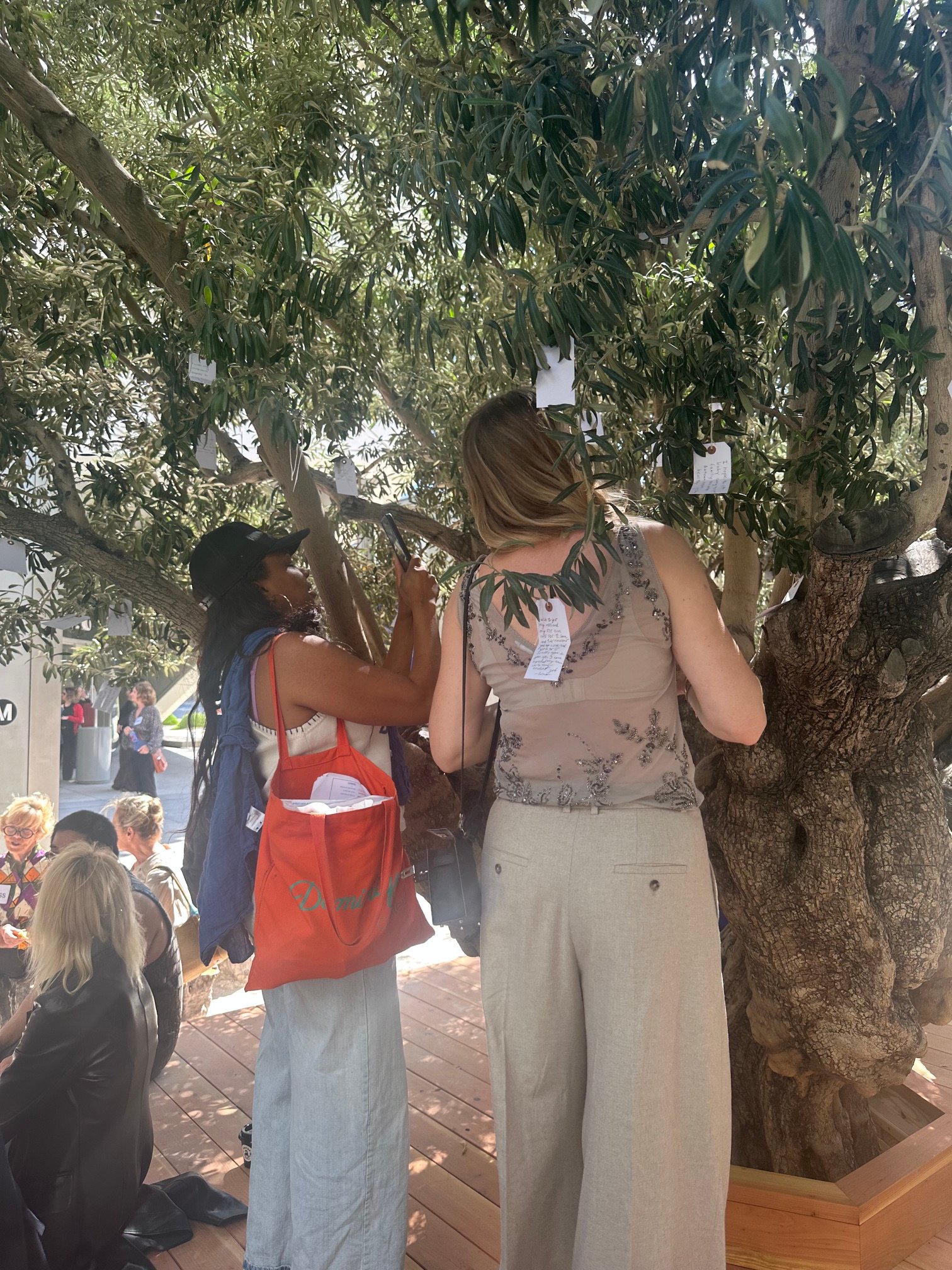
In Add Color (Refugee Boat), Ono challenges the museum convention of “Do not touch the artwork” by inviting visitors to directly alter and intervene in a blank wall and boat installation. People draw blue flowers across the walls, write slogans of self-exploration, and inscribe messages such as “Abolish ICE” and “Where is peace?” on the boat. As participation grows, the installation becomes a collective site of emotional expression and shared history.
Another section, My Mommy is Beautiful, invites visitors to leave memories, words, and images related to their mothers. Some place photographs of their mothers, while others write messages such as hopes for improved mother–daughter relationships.
The Broad notes that although Yoko Ono is often known in popular culture for her relationship with John Lennon, she is not merely “the woman behind a rock star.” In recent years, the international art world has increasingly re-evaluated her profound influence on the Fluxus movement, feminist art, performance art, and experimental music. This exhibition is not simply a retrospective, but an immersive experience combining emotion, meditation, and social interaction.
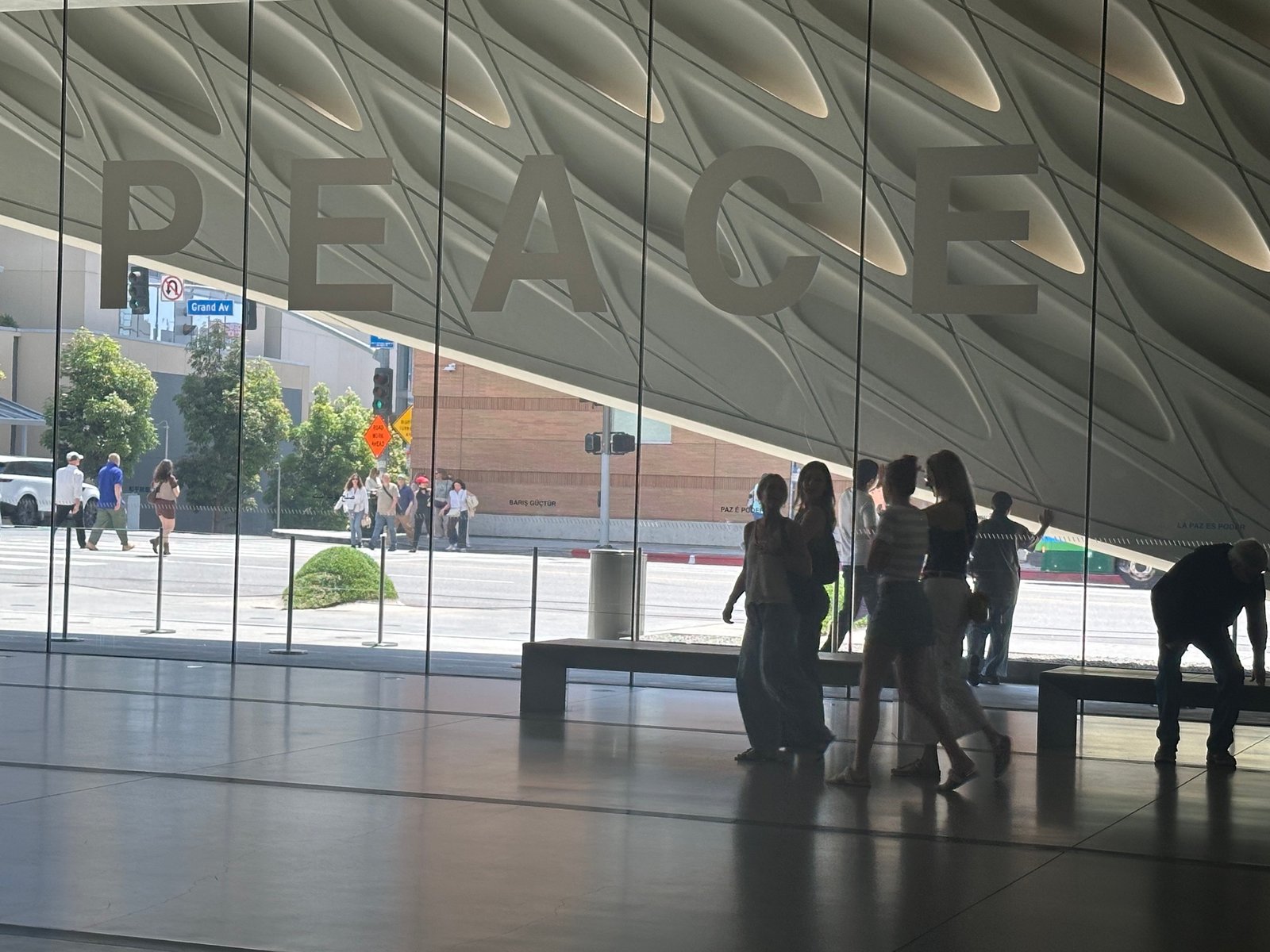
Here, visitors are not just viewers of art—they become participants, forming connections with others, with space, and even with their own memories. The exhibition invites audiences to re-examine Yoko Ono’s creative world and explore how her minimalist yet deeply philosophical works continue to shape contemporary art and popular culture.
More information is available at: https://www.thebroad.org/art/special-exhibitions/yoko-ono-music-mind