Lately, it feels as though I keep crossing paths with the year 1900. China was still under the Qing Dynasty. The world had yet to be scarred by two World Wars. Industrialization was reshaping societies, and the dawn of a new century seemed to promise endless possibilities.
Born into that era, Diana Vreeland instinctively captured the awakening of women's fashion and forever changed the industry. Around the same time, New York swimmer Trudy refused to accept the conventional fate expected of women, and in 1926 became a heroine to generations by swimming across the English Channel. The film Colors of Time explores an emotional connection between ancestors living around 1900 and their modern-day descendants, while also weaving in some delightfully gossipy stories surrounding Claude Monet. In one memorable scene, Adèle, a young woman from Normandy, rides a horse-drawn carriage to Paris in 1895 to find her mother. The coachman grumbles, "Young people these days do everything too fast. They don't know how to live anymore." A century later, we're no longer moving fast—we're practically flying.
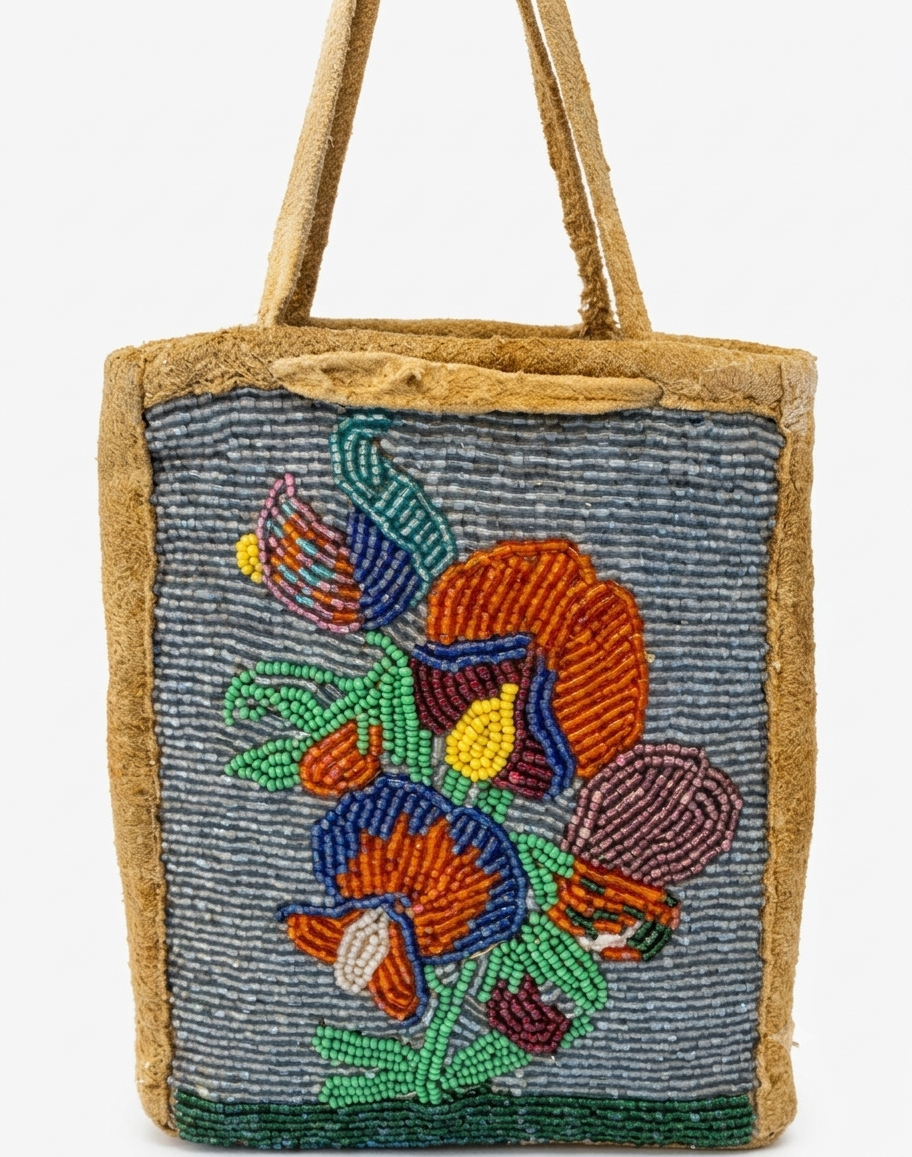
In the world of estate sales, a hundred years can feel both incredibly distant and surprisingly close. Encountering a century-old chair, dress, or piece of jewelry is hardly unusual. A few days ago, I came across this double-sided Native American antique beaded pouch dating from around 1890–1900.
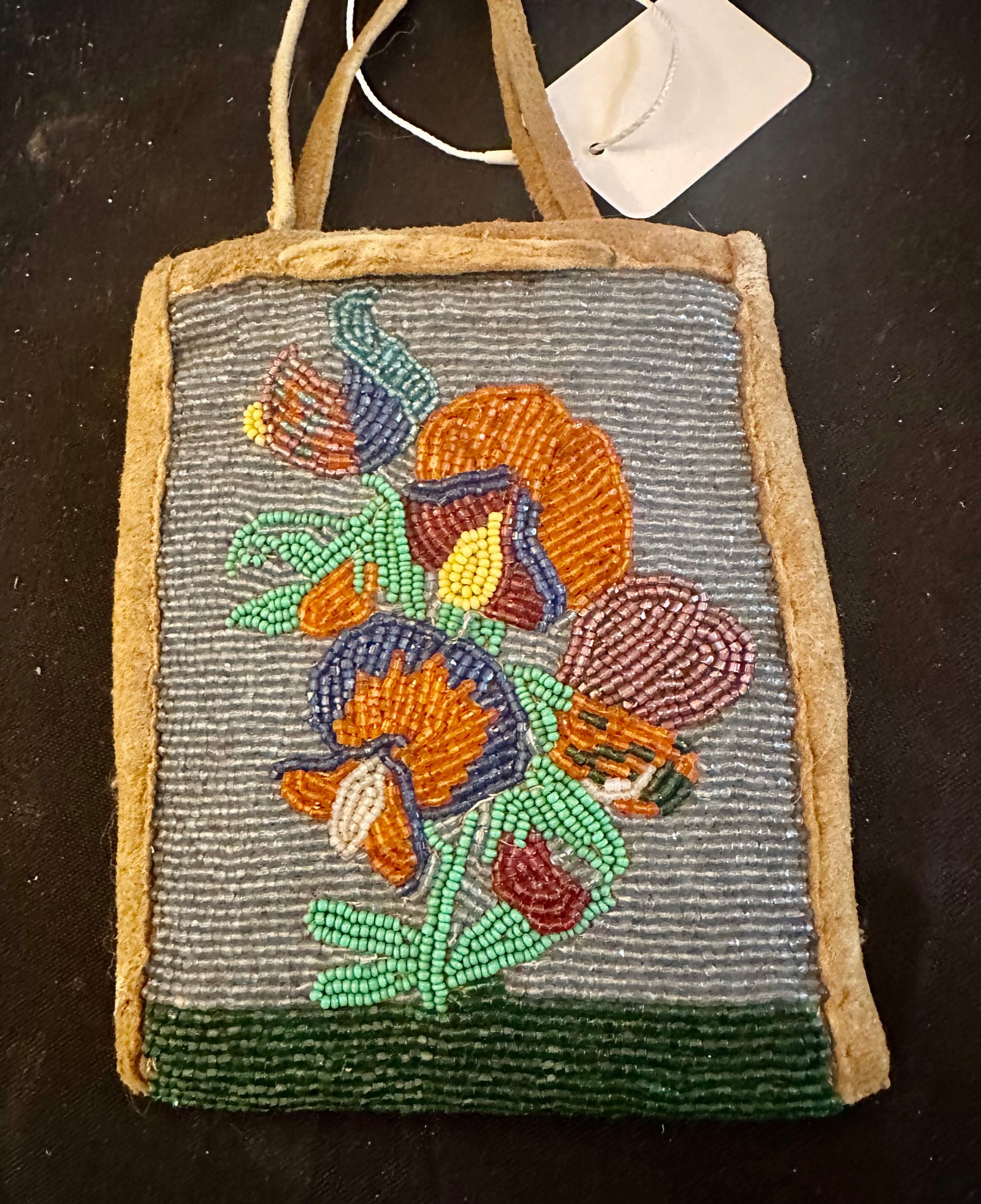
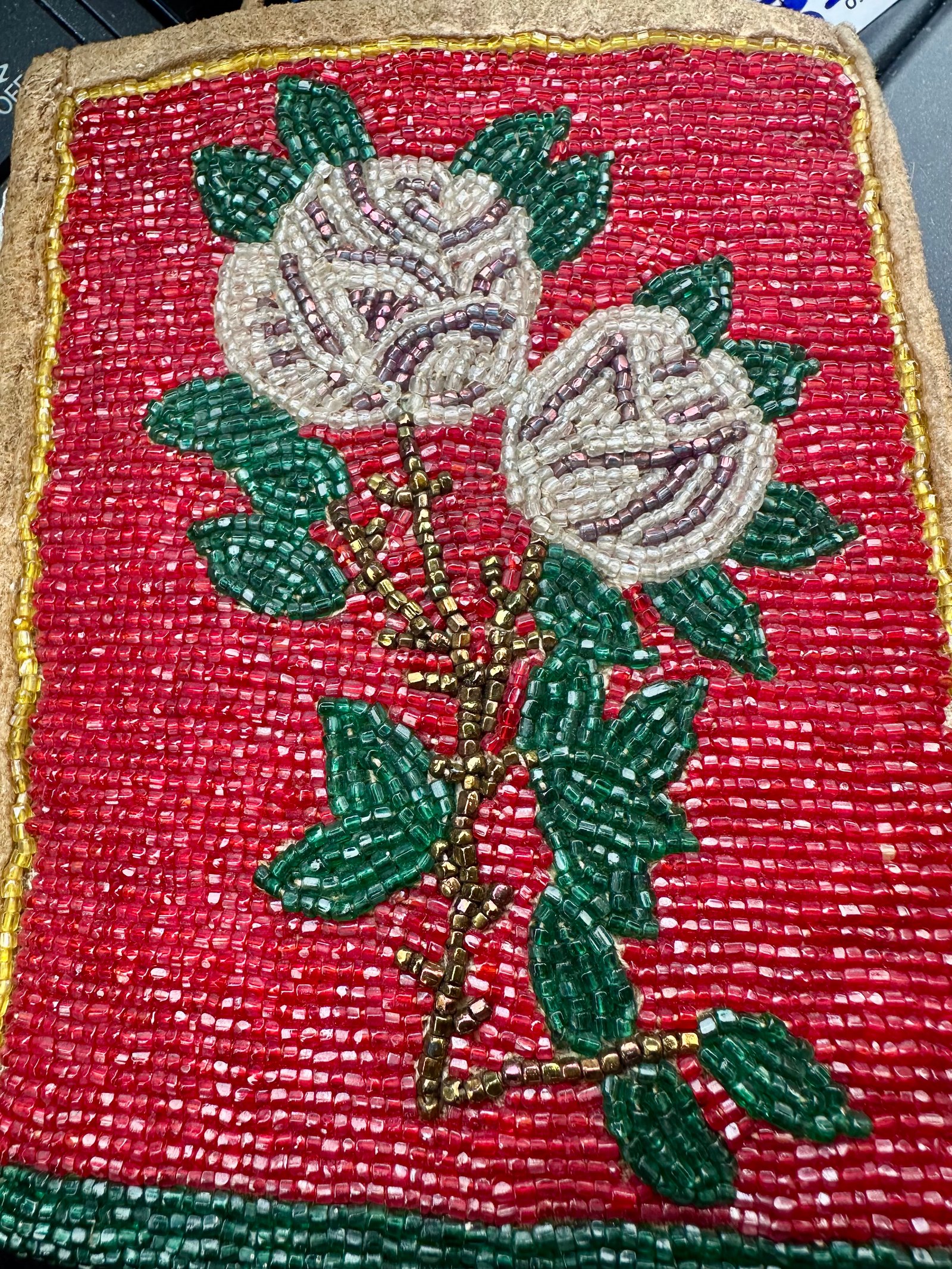
About the size of a passport, it is edged in soft buckskin and completely covered on both sides with antique glass bead embroidery worked in a contour-following technique. One side features pansies, the other a white rose, each set against densely stitched horizontal fields of red and blue beads. It has a satisfying weight in the hand. Inside is the original cotton lining, naturally yellowed over the past century, carrying faint traces of dust that only time could leave behind.
After comparing it with other examples, I suspect it reflects the beadwork tradition of the Yakama people from the Plateau tribes of the Columbia River region. By the early twentieth century, beadwork from this area had become renowned for its richly colored floral designs and remarkably realistic animal motifs.
Its size also hints at its original purpose. It may have been made to hold ration tickets, which Native people often kept in small buckskin pouches worn around the neck or at the waist. Around 1900, as railroads expanded across the American West, similarly sized beaded pouches also became popular souvenirs for travelers, serving as holders for visiting cards or loose change. Perhaps it was precisely because of its compact size that this little pouch survived more than a century, tucked safely inside a jewelry box or drawer, without its beads coming loose.
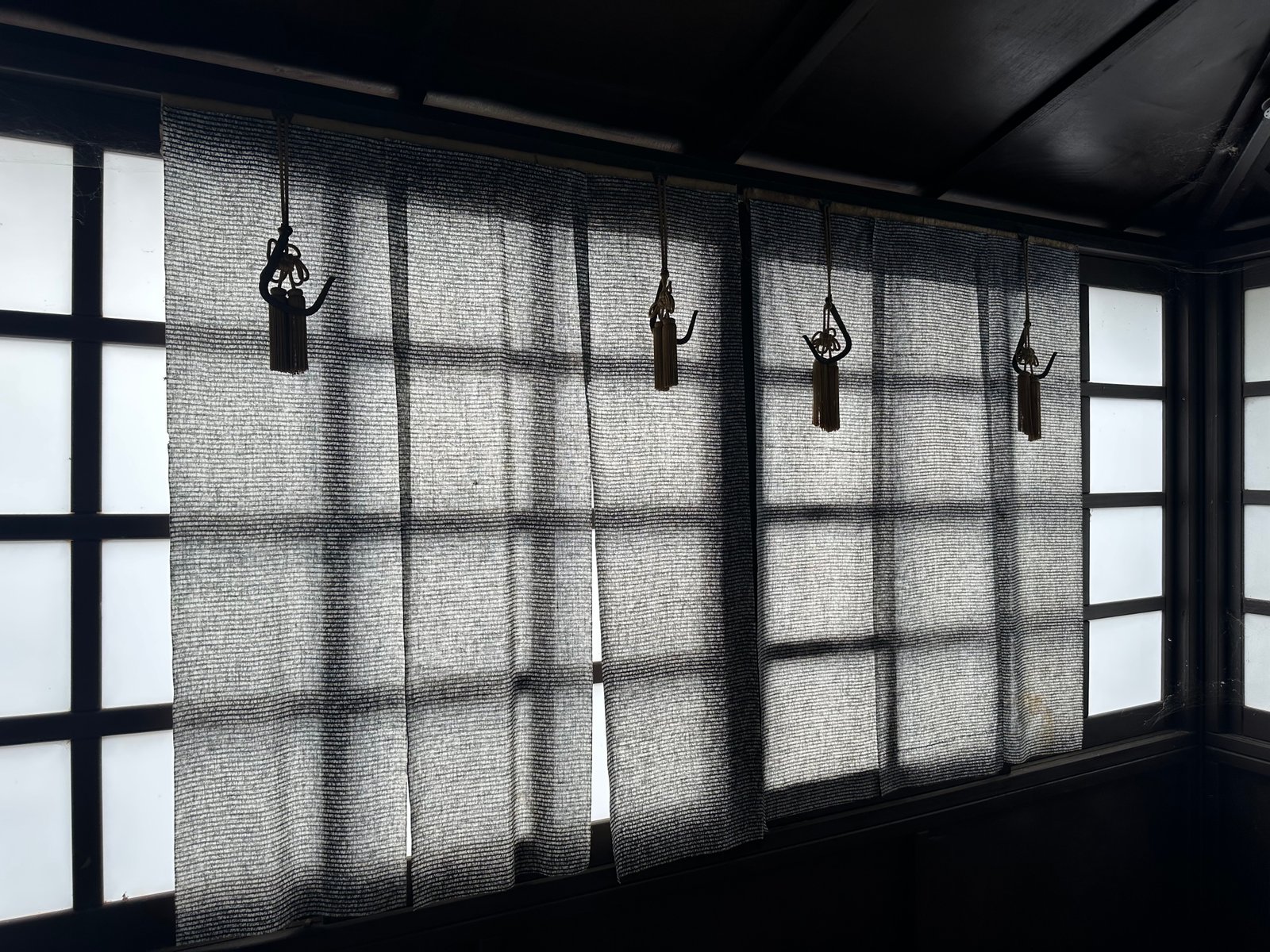
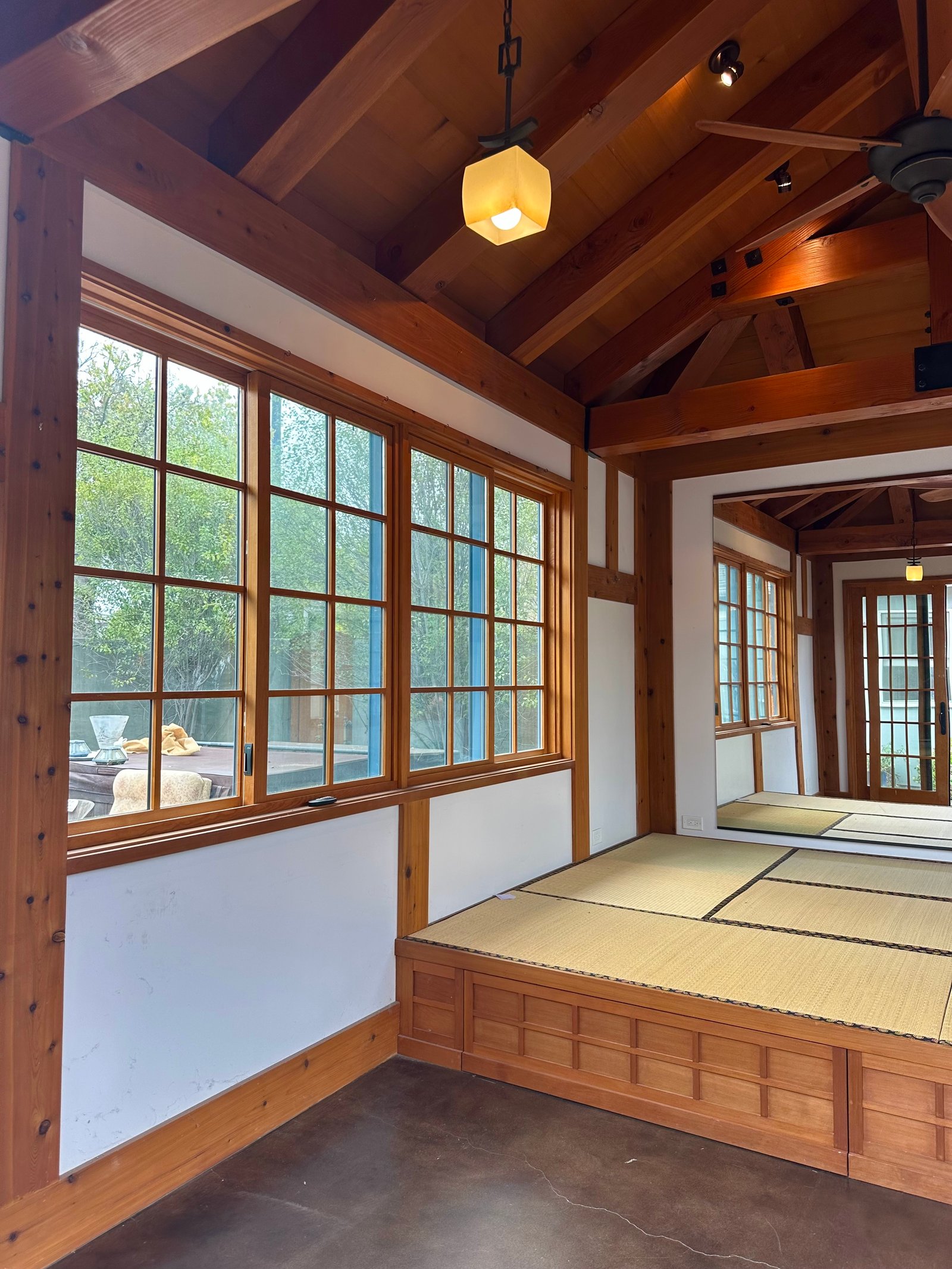
The owner of the house where I found it also had fascinating taste. I was told the homeowner was white, yet nearly every collectible in the house was an authentic piece of Native American art, especially works from the Southwest and Great Plains traditions. They also had a deep appreciation for Japanese aesthetics, even building two traditional tatami rooms in the backyard. Though I'll probably never know their name, their collection revealed the sensibility of someone deeply cultured.
In many ways, Native American art and Japanese traditional culture—especially the Mingei folk craft movement—have always felt like kindred spirits. Both tell stories of nature, land, animals, and wind. Neither is decorative for decoration's sake. They are forms of beauty that emerge directly from the soil of history and lived experience.