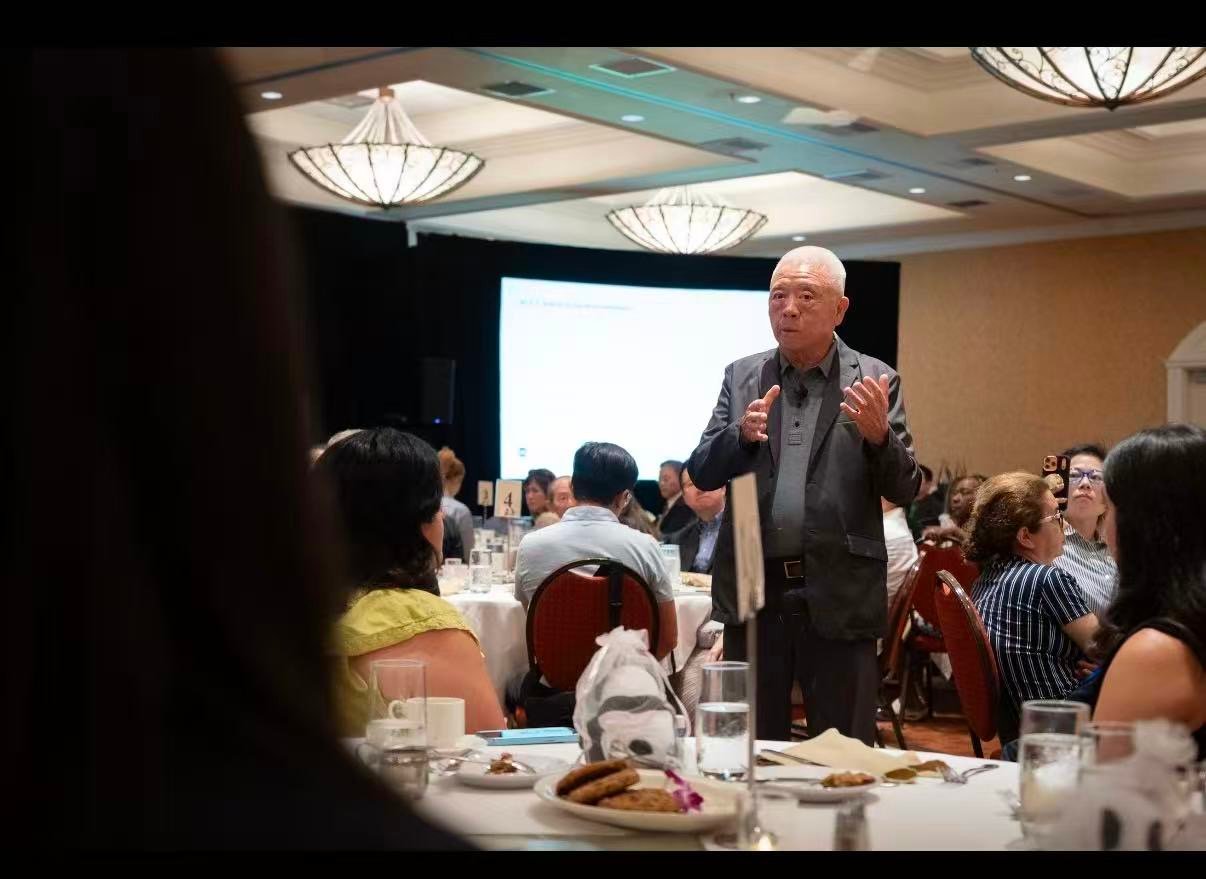
He told the young people in the audience not to let poverty or shyness limit themselves — to enter the workforce early, build business skills, develop a habit of saving, and find a truly meaningful direction in life. He emphasized that every ability is built by "learning by doing, and doing while learning," and said he welcomes anyone who wants to come work at Panda.
 (MHG Charitable Foundation Photo)
 A Secondhand Bicycle: A First Taste of Independence and Freedom
Cherng often tells the story of receiving an old bicycle from a cousin. That day, he rode it until he was completely exhausted before finally heading home — and it was on that day that he truly felt, for the first time, the taste of independence and freedom.
A student in the audience asked him: "Should I choose a path that feels safe and correct, or one that's truly meaningful to me?" Rather than answering right away, Cherng told the student to trust what they truly want deep down, and to have the courage to voice it — to be able to say to themselves, "This is what I'm going to do." He believes that the clearer your direction in life, the more advantageous your position becomes. Once you've settled on a direction, the next step is to actually take action — and the more fully you commit and engage, the more naturally you become an example to others.
 (Panda Express Photo)
Feeling Shy? Working in a Restaurant Forces You Out of Your Comfort Zone
Many young people told him they feel shy and don't know how to interact with others. Cherng said working in a restaurant has a major benefit: it forces you out of your comfort zone. Once you're working in a restaurant, you have to greet customers on your own initiative and interact with strangers — and you'll find that most people are actually very friendly. He also pointed out that if you carry yourself with an attitude of "I don't want to talk to you," other people won't find it easy to approach you either.
He recalled that around age thirteen, he worked as a busser in a restaurant. At the time he was introverted and shy, and not very good at interacting with people. But no one made allowances for his shyness — he simply had to spend time practicing again and again, gradually changing himself.
 (MHG Charitable Foundation Photo)
"If I Find Gum in a Store, the Manager Owes Me $100"
As the head of a company with 2,600 locations, Cherng places great emphasis on managing operational details. He requires every Panda location to stay extremely clean — to the point that he wants stores clean enough that "a customer could lie down on the floor and not get their clothes dirty." In his view, a great deal of success comes from sticking to small things consistently, not just from major decisions. For example, he pays close attention to whether there's gum on the floor or whether the environment is clean. He joked, "If I see gum on the floor of a store, the manager owes me $100" — then added with a laugh that he's "never actually collected."
Start Earning and Saving Early — Success Is Nothing to Feel Guilty About
On the subject of money, Cherng believes young people need to face the meaning of money honestly: don't assume that wealthy people are bad people, and don't settle into poverty either — success and wealth are nothing to feel guilty about. He encouraged young people to consider taking a summer job, earning some money to bring home, and easing their parents' worries a little. He stressed that this isn't just about income — it's also about cultivating a sense of responsibility. Making yourself valuable doesn't just change your own life; it changes the lives of those around you too.
He explained that once you have a second source of income and more funds at your disposal, you gain the capacity to think about more things and the freedom to have more choices, rather than worrying every day only about your immediate living expenses. "What's interesting about earning money is that you usually don't make much at first, but if you keep at it, it steadily grows." He advised young people to start earning as early as possible, because as time goes on, this compounding effect keeps happening — letting your abilities, income, and opportunities grow together.
He also noted that many of life's problems ultimately need to be solved by running a business and generating income. Chinese communities have long placed early emphasis on building a habit of saving, with the goal of owning one's own home — which is really about building a safety net, so that if you ever lose your income, you won't be left without a place to live.
AI Brings Convenience, But People Still Need to Actively Connect with Others
Cherng acknowledged that he himself uses AI as a tool, and that he references AI-generated data when making decisions. But he believes AI cannot replace human connection. He has six grandchildren, all of whom live close by, and he genuinely enjoys proactively spending time with people. "You can't just wait passively, because people gain more support through being with others."
He gave an example: when he visited a Jewish community, he saw how familiar everyone was with each other — gathering often for meals, discussing business and life together, raising children within a shared educational system, and actively taking part in one another's lives. In his view, real influence doesn't come from money alone — it comes from a sense of belonging, human connection, and ongoing mutual support. A community with a well-built support system like that is deeply beneficial to people's physical and mental wellbeing.
Half a Century in Business — Why He's Not Worried About Panda's Future
Panda Express is now in its 53rd year. With 2,600 locations and more than 60,000 employees, the company has been opening an average of 50 new stores a year, 90% of which are company-operated.
Cherng said that the founding and growth of Panda Express is, in itself, a kind of miracle — if he had never come to California, or never gone into the restaurant business, none of this would have been possible. He has always believed there is a higher power above all things, one that granted him this extraordinary gift. He continually reminds himself to go the extra mile, to help others whenever he can, and to keep trying different approaches in hopes of doing things better.
He admitted that while hard work and careful planning matter a great deal, sometimes a well-laid plan simply doesn't work. At that point, what's needed is the ability to spot the problem, to know how to get things right, and to know when it's time to adjust course and make a change.
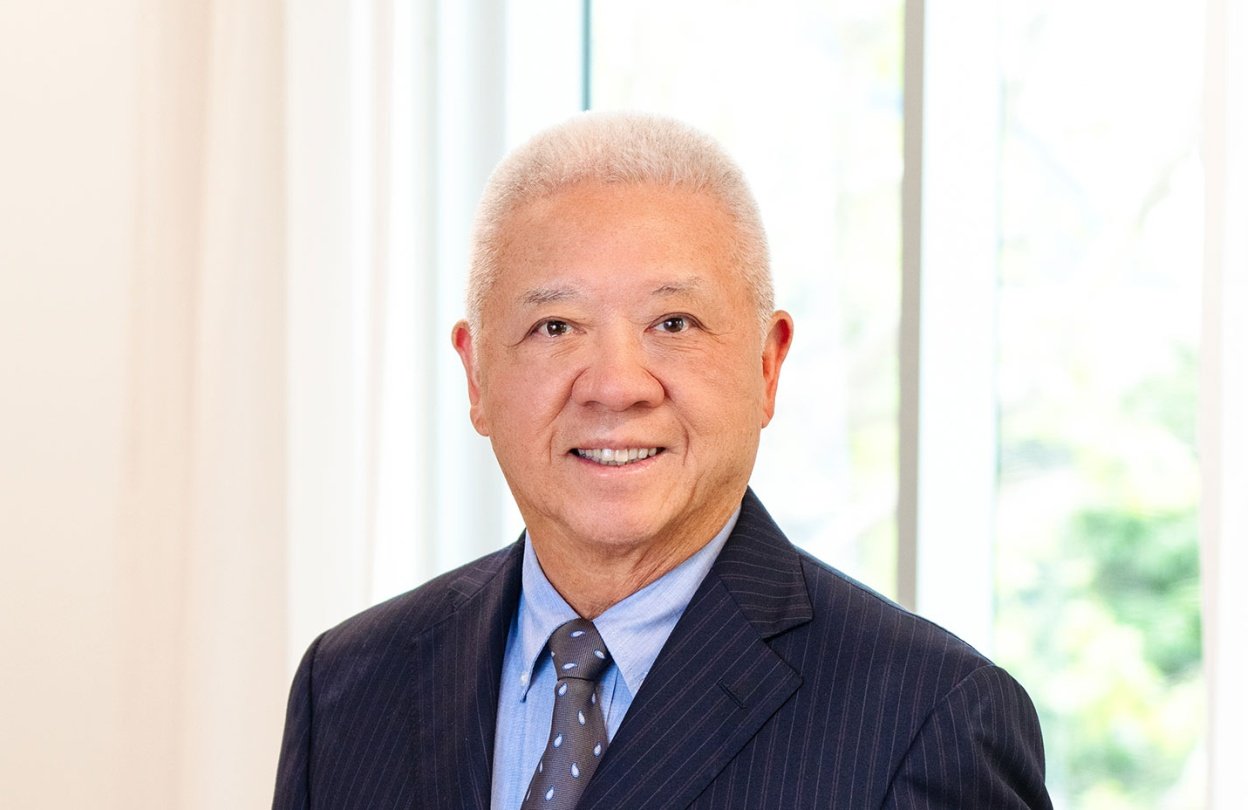 (Panda Express Photo)
Internally, Panda tracks how many of its managers earn an annual income of $100,000 or more. Cherng said he doesn't need to force employees to do the right thing, because doing the right thing is, in itself, aligned with their own interests. "When you build a genuine win-win relationship and align everyone's interests, good outcomes tend to happen naturally." That, he said, is precisely why he isn't worried about the future.